How Pansies Survive Freezing: Cellular Dehydration Strategy
Pansies survive freezes by expelling water from cells as temperatures drop. Dry cells dont rupture. Leaves wilt at dawn but rehydrate by noon. Keep soil moist after freezes so roots can replenish foliage. Magnolias and t


Rose Thorn Disease: A Real Fungal Risk for Gardeners
Rose thorn disease (sporotrichosis) is a fungal infection from thorn punctures, not bacterial. Its well-documented by the American Rose Society. Recovery is slow but typical. Wear gloves and clean wounds promptly.
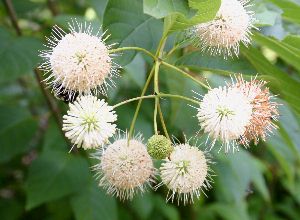
Buttonbush: A Native Wetland Shrub for Creek Banks
Buttonbush (Cephalanthus occidentalis) bears distinctive white Sputnik flower balls on creek/pond margins. Its rangy habit limits nursery availability, but compact selections may emerge. Relatives like Virginia sweetspir
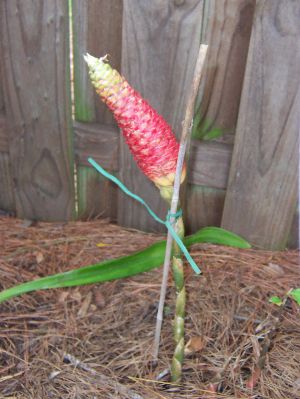
Pinecone Ginger: A Tropical Accent for Warm Microclimates
Pinecone ginger (Zingiber zerumbet) produces green-to-red cone-like inflorescences on short stalks. Foliage reaches 7 ft. Likely not winter-hardy in Atlanta, but worth trying in sunny, sandy, well-mulched spots. Obtain r
Scorpion Management on Rural Property
Scorpions are solitary wanderers from nearby woods. They dont infest homes — theyre lost. Seal entry points (pipes, doors). Remove mulch near foundations. Spray 2-ft band of permethrin/bifenthrin/esfenvalerate on foundat
Woolly Bear Caterpillars: Folklore vs. Science
Woolly bear coloration predicts growth stage, not winter severity. Black bands indicate how close the caterpillar is to maturity before seeking winter shelter. The National Wildlife Federation confirms this is superstiti
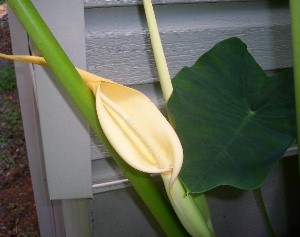
Elephant Ear Blooms: Spathes and Spadices Explained
Elephant ear blooms are spathes (modified leaves) enclosing a spadix (fleshy flower spike). If pollinated, berries form on the spadix — save for spring planting. Older, crowded plants bloom more often than young ones.
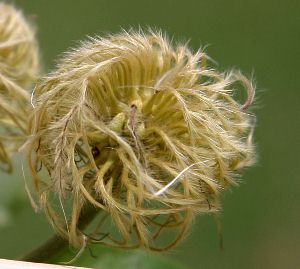
Sweet Autumn Clematis vs. Virgin's Bower: Seedhead Differences
Identifying the Vine Seedheads seen in a north Georgia garden in September are likely native virgins bower (Clematis virginiana), not invasive sweet autumn clematis (Clematis terniflora). Expert Comparison (Lyndy Broder
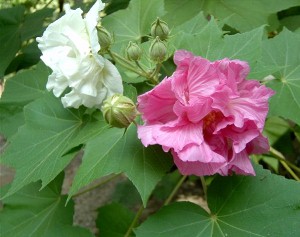
Confederate Rose: The Color-Changing Hibiscus
Confederate rose (Hibiscus mutabilis) blooms open white/pink, deepening to red over 3 days. Not reliably hardy in Atlanta without protection: cut to 18 inches after frost, cover with box and pine straw. Uncover in March.
Giant Willow Aphid Control on Large Trees
Giant willow aphids cause branch dieback and honeydew. Treat with garden insecticide containing esfenvalerate, bifenthrin, or permethrin. Large trees may need professional application for coverage.
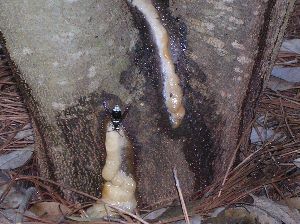
Slime Flux on Chinese Elm: Diagnosis and Care
Sweet-smelling ooze at the base of a Chinese elm with bee activity indicates slime flux — bacterial fermentation of sap. Two types: acidic (vinegar smell) and alcoholic (beer smell). Often caused by deep planting or trun
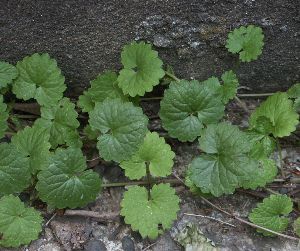
Controlling Creeping Charlie (Ground Ivy) in Lawns and Beds
Creeping Charlie (Glechoma hederacea) — fragrant, square-stemmed mint family perennial — resists pre-emergents. Control with broadleaf herbicide (spot-spray every 4 weeks, 3 applications). In centipede or St. Augustine,
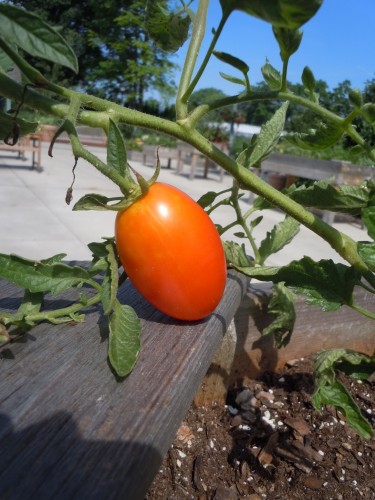
Growing Acidic-Tasting Tomatoes: Variety Over Soil pH
Tomato acidity is driven by variety and growing conditions (sun, moisture, fertility), not soil pH. For tangy fruit, select varieties bred for high acid from sources like Tomato Growers or Totally Tomato.
Fescue Brown Patch Resistance: Management Trumps Variety
No fescue variety offers reliable brown patch resistance under poor management. NTEP trials take years; company claims lack rigor. Any fescue thrives if: Planted on prepared soil (not clay). Not fertilized after May. W
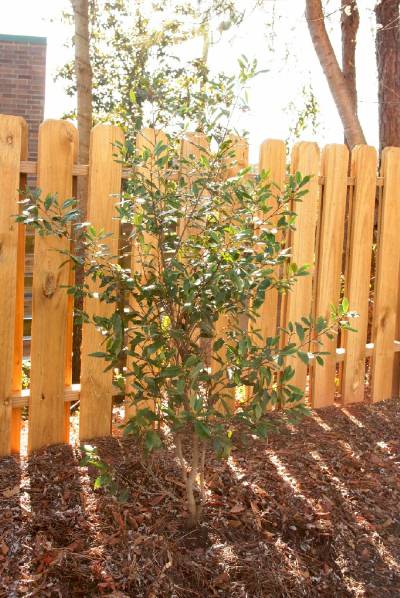
Cercospora Leaf Spot on Cherrylaurel: Shade and Moisture Issues
Brown-gold spots with holes on cherrylaurel indicate cercospora leaf spot, favored by prolonged leaf wetness. Spotty shade prevents drying. As the plant grows above the fence line, improved air flow often resolves it nat
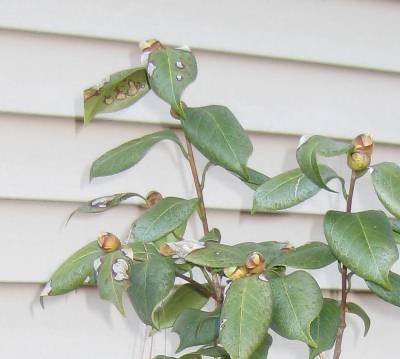
Camellia Leaf Spot: Stress-Induced, Not Fatal
Brown spots turning white on spring-planted camellias indicate leaf spot fungi exploiting drought stress from limited roots. The plant has fenced off damage. No sprays needed. Recovery Plan Feed weak plant with organic
Leaving Green Foliage on Spent Iris and Daisies
Green leaves feed roots even when plants look ragged. Dont cut back early. Mask unsightly foliage with late bloomers: dwarf goldenrod, aster, or sedum Autumn Joy for seasonal transition.
Evaluating Stored Daffodil Bulbs for Replanting
Bulbs left on a mesh tray for a month may still be viable. Squeeze each: firm = plantable; soft or dusty = compost. As penance, amend planting bed with 3 inches of soil conditioner tilled 10 inches deep.
Tree Cavities: Why Drainage Pipes Cause More Harm Than Good
Drilling drain pipes in tree cavities breaks the trees compartmentalization barrier, forcing it to wall off new wounds. Standing water actually inhibits rot fungi (oxygen-poor). Only drain if cavities breed mosquitoes at
Marking Herbicide Spray Patterns with Pond Dye
To track spot-sprayed herbicide, add concentrated pond dye (from water garden suppliers) to the tank. Used to darken ponds and suppress algae, its likely safe on turf but verify label. Makes sprayed areas visibly distinc
Copyright © www.100flowers.win Botanic Garden All Rights Reserved