


A gardener found colorful caterpillars on tropical milkweed and couldn't identify them. They were milkweed tussock moth larvae (Euchaetes egle). Like monarch caterpillars, they sequester cardiac glycosides from milkweed, making them toxic to birds. Their bold orange, black, and white tufts advertise this defense—no camouflage needed.
The expert praised David Wagner's Caterpillars of Eastern North America as an invaluable ID resource. These caterpillars are harmless to the garden and support biodiversity. If milkweed is grown for monarchs, tussock moths are a bonus sign of a healthy ecosystem.
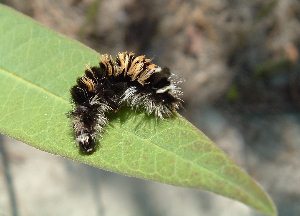
Comparison:
Welcome both species—they coexist peacefully.
Caterpillars and Aphids on Petunias: Hand-Picking and Spinosad
Caterpillars or Flea Beetles on Coleus? Organic Controls That Work
Caterpillar Pests: Identification and Control
Clothes Moth Infestation: Bag, Vacuum, Monitor
Milkweed Aphids: Bright Yellow but Harmless to Monarchs
Skiff Moth Caterpillar: Harmless Slug-Like Larva
Milkweed Bugs: Colorful Seed Predators That Help Regulate Milkweed
Preventing Fern Caterpillars on Boston Ferns
Leopard Moth Caterpillar: Harmless and Beautiful
Ailanthus Webworm Moth: Pollinator on an Invasive Host
Yellow-Necked Caterpillars on Blueberries: Control with Bt or Spinosad
Managing Tent Caterpillars in Trees
Why Mothballs Fail as Animal Repellents
Giant Leopard Moth: Striking Black-and-White Insect Identification
Copyright © www.100flowers.win Botanic Garden All Rights Reserved