


Don't let summer's end signal the garden's finale. In mild-winter climates, the cool season spans the second half of the gardening year—delivering fresh vegetables even in winter. Cool-season crops thrive in the cooler temperatures and soils of fall and spring; some even sweeten with a touch of frost.


Cold frames and cloches let you start earlier and harvest later. Commercial or DIY—hinge the lid for ventilation. Place over beds, remove lid when warm, replace as temperatures drop.

Spring and early fall plantings yield weeks of sweet leaves; summer heat triggers bolting and bitterness.

Kale survives to freezing and often through snow—one of the toughest cool-season champions.
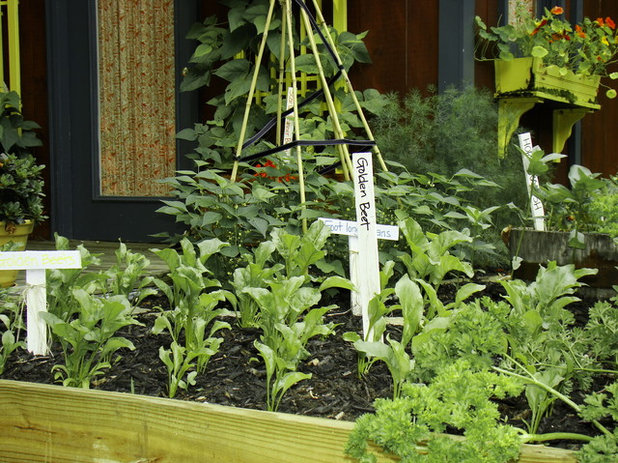
Carrots and beets mature quickly—sow small patches successively from early season through late summer for continuous harvest without a "sea of greenery."

Broccoli, cabbage, and relatives handle dropping temperatures beautifully—hence their fall/winter market dominance.

Spring harbingers—start early, reuse supports for summer beans, then sow a fall crop. Peas give three seasons from one trellis.
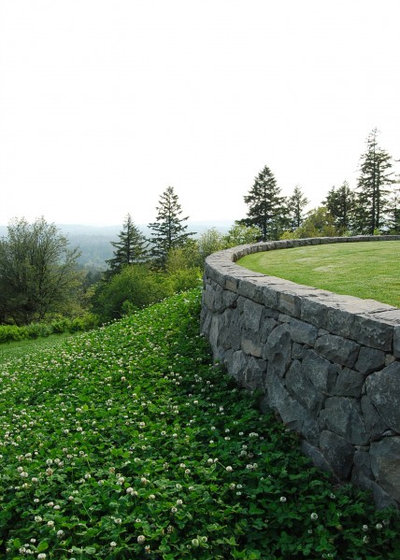
Fill empty beds with cover crops—not for harvest, but to till in as soil amendments. Legumes (fava beans, clovers) add nitrogen; grasses add organic matter. Clover works on hillsides and in vegetable beds alike.
Next: How to Grow the Top Spring and Fall Veggies
Landscape Planning: From Property Map to Productive Garden Design
30-Day Vegetable Garden Challenge Day 7: Seed Starting Mistakes and Lessons Learned
30-Day Vegetable Garden Challenge Day 18: Pepper Seed Starting Struggles and Solutions
Preserving Leftover Seeds: The Oxygen-Absorber Jar Method
Building a Raised Bed Garden: Day 2 of the 30-Day Challenge
How to Plant a Vegetable Garden: Step-by-Step for Beginners
Summer Vegetable Garden Plan: 4x4 Feet of Warm-Season Abundance
30-Day Vegetable Garden Challenge Day 23: Snake Encounters and Facing Garden Fears
The Great Pollinators: Inviting Bees, Butterflies & More to Your Garden
Hardening Off Seedlings: The 10-Day Transition to Outdoors
30-Day Garden Challenge Day 3: Building Perfect Soil for Raised Beds
30-Day Vegetable Garden Challenge: Day 10 – Lighting Your Seedlings for Strong Growth
30-Day Vegetable Garden Challenge: Day 27 – Growing Sweet Potato Slips Successfully
30-Day Garden Challenge Day 24: Start a Garden Journal + Green Bean Trellis Fix
Copyright © www.100flowers.win Botanic Garden All Rights Reserved