


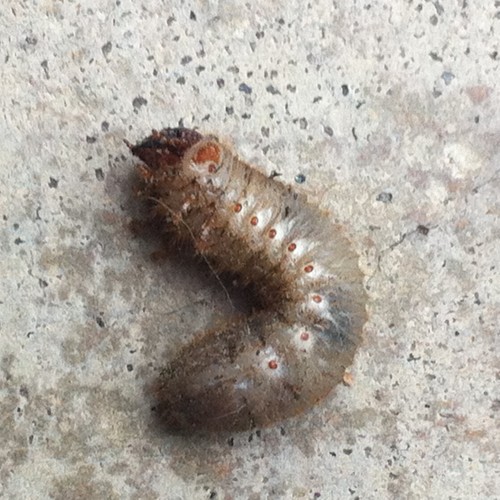
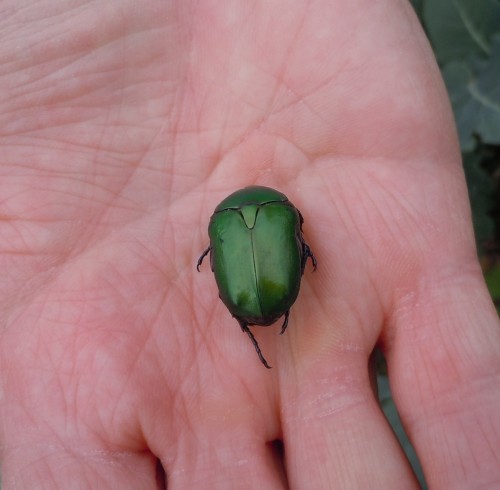
If you've seen plump, white grubs with a distinctive "crawling on their backs" motion crossing streets or driveways at night, you're witnessing the larvae of the Green June Beetle (Cotinis nitida). These grubs are unmistakable—they move by undulating on their backs, legs waving, looking like a cross between a maggot and a caterpillar.
Green June Beetle grubs normally feed on thatch, decaying organic matter, and roots in the soil. But they're famous for nocturnal surface migrations, especially after rain or irrigation. They may travel considerable distances—sometimes ending up in pools by the hundreds.
Usually no. These grubs are minor lawn pests. Their tunneling can actually aerate soil. Large numbers may cause some thinning, but they rarely justify insecticide use. If they're a nuisance on pavement, simply sweep or hose them off.
How to Ripen Green Tomatoes at Season's End
Rescuing a Green, Sludge-Filled Pond: Biofilter, Peat, and Plant Management
Fall Asparagus Foliage Management: Cut Now or Wait for Yellowing, Plus Fertilizer Schedule
Grub Control: Why Doing Nothing Is Often Best
Asian Ambrosia Beetle on Dogwood: Toothpick Frass Signals Death
Colorado Potato Beetle on Tomatoes: Identification and Control
Why Garlic Cloves Separate: Warm Winter Sprouting
Pine Beetle Pitch Tubes: Identify the Borer
Golden Euonymus Reverting to Green: Causes and Solutions
Growing Haricot Vert (French Filet Beans)
Canada Green Grass Seed: Not a Miracle for Southern Lawns
Controlling Daisy Beetles on Coneflowers and Black-Eyed Susans
Copyright © www.100flowers.win Botanic Garden All Rights Reserved