


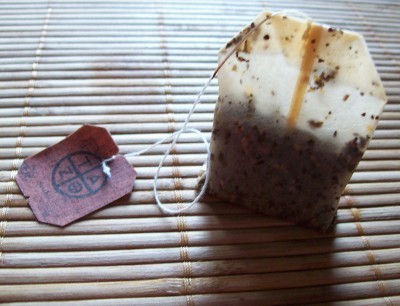
Many of us enjoy daily coffee or tea, and it's nice to know our gardens can benefit from the "dregs" too. Let's explore the benefits of using tea bags for plant growth.
Yes, but with caveats. Moist tea leaves added to compost accelerate decomposition. However, 20-30% of tea bags contain polypropylene (plastic) that won't decompose. These bags often feel slippery and have heat-sealed edges. If unsure, slit open the bag, discard the bag, and compost the damp leaves.
Alternatively, toss whole bags into compost and remove non-decomposed bags later. Paper, silk, or muslin tea bags are fully compostable. Worms and microorganisms won't break down plastic bags, making them obvious.
Beyond composting, loose leaf tea and compostable tea bags can be dug directly around plants. Tea bags add nitrogen to balance carbon-rich materials in compost.
Items needed:
After steeping, add cooled tea bags or leaves to your compost bucket with food waste. Dump into outdoor compost or worm bin, covering lightly. You can also dig tea bags or loose leaves around plants for direct root-zone benefits—improving moisture retention and suppressing weeds as they decompose.
The caffeine in tea bags (or coffee grounds) doesn't harm plants or significantly raise soil acidity. Composting tea bags is an eco-friendly disposal method that enhances soil drainage, moisture retention, earthworm activity, oxygen levels, and soil structure.
Creating a Family-Friendly Organic Garden Everyone Can Enjoy
Best Flowers to Repel Garden Pests Naturally
Cocktail Gardens: Grow Your Own Fresh Ingredients for Signature Drinks
The Country Garden: Blending with the Landscape
Using Red in the Garden: Color Theory & Design Tips
Designing with White in the Garden: Versatility, Combinations, and Night Appeal
Can a Garden Sundial Really Tell the Correct Time?
Organic Gardening Excellence: Tips for Health, Biodiversity, and Sustainability
Composting for Your Herb Garden: Turn Kitchen Waste into Black Gold
Types of Roses for Your Garden: A Complete Overview
Professional Garden Clearance in Bristol: Reclaim Your Outdoor Sanctuary
Copyright © www.100flowers.win Botanic Garden All Rights Reserved