


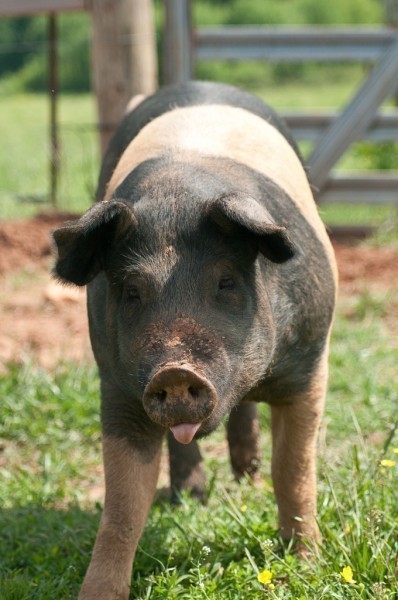
Old-time farmers dug pig manure into fall soil for spring crops. Today's challenge: many pigs carry E. coli, salmonella, parasitic worms. Solution: composting! Here's how to compost pig manure safely.
Absolutely—compost it. Add to pile, let rot long and hot enough. Heat kills dangerous organisms.
Compost ("black gold") aerates soil, retains moisture, adds nutrients—created from household/yard waste.
Key: high heat, frequent turning. Build pile with good mix (dried grass, dead leaves, kitchen scraps, pulled weeds). Mix in pig manure, add garden soil. Keep moist, not wet.
Compost needs air—turn with shovel/pitchfork/rake, bringing bottom up. Turn monthly minimum; let work 4+ months before use.
Best timing: build fresh heap in fall during garden cleanup. Turn every 3-4 weeks until snow, then tarp and cook all winter. Spring yields rich compost for soil amendment.
Identifying a Mystery English Garden Flower: Possibly Anemone?
Garden Buildings: Versatile Structures for Work, Storage, and Leisure
Can You Compost Meat Scraps? Safe Practices & Risks Explained
Composting Acorns: Preparation Techniques for Faster Breakdown
Can You Compost Meat? Risks, Benefits, and Safe Practices
Pet Rodent Compost: Using Hamster, Gerbil, and Guinea Pig Manure
What Is Exotic Manure? Sourcing and Using Zoo Manure Compost
Composting for Profit: Transforming Waste into Garden Wealth
Build a Wire Compost Bin in Minutes for Small Gardens
Composting Bird Feathers: A Free, High-Nitrogen Boost for Your Pile
Can You Compost Sweetgum Balls? Only in a Hot, Patient Pile
Composting Onions: Yes, But Chop Them and Bury Deep
Composting Bird Feathers: A Nitrogen-Rich Amendment for Your Pile
Copyright © www.100flowers.win Botanic Garden All Rights Reserved