


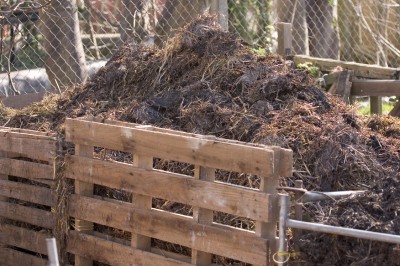
Compost isn't just fertilizer—it's a complete soil upgrade. Here's what it does:
Binds sand, silt, clay, and organics into crumbly aggregates. Improves drainage in clay, water retention in sand. Roots penetrate easily. Air circulates. Earthworms thrive, further aerating.
5% more organic matter = 4× water-holding capacity. Less runoff = less pollution.
Supplies N-P-K plus micros (manganese, copper, iron, zinc) missing from synthetic fertilizers. Diverse ingredients = diverse nutrient release = slow, steady feeding. Neutralizes pH extremes for optimal uptake.
Attracts earthworms, centipedes, sow bugs, redworms. Their digestion cycles nutrients; their tunnels aerate. Balanced ecology = fewer pests, more disease resistance.
Compost is the single best investment for your garden. Period.
Compost Timing and Weed Control Without Harming Bulbs
Starting Your First Indoor Kitchen Garden: A Complete Beginner's Guide
Growing Ferns: A Guide to Shade-Loving Garden Elegance
Stress-Free Gardening: Enjoyable Techniques for Beautiful Results
Tomato Garden Care: Watering, Staking & Early Season Protection
Replacing Your Lawn with Water-Wise Plants: A Step-by-Step Guide
Gardening Fundamentals: Annuals, Perennials, Compost, and Herbs
Watering Houseplants Like a Pro: Methods, Tools, and Timing for Perfect Hydration
Companion Planting for Tomatoes: Friends and Foes in the Garden
Composting Corn Cobs, Husks, and Stalks: Turn Harvest Waste into Garden Gold
A Gardening Primer: Essential Techniques for Successful Perennial Borders
Indoor Gardening: Grow Beautiful Plants Inside Your Home
Copyright © www.100flowers.win Botanic Garden All Rights Reserved