


Cranberries undergo fascinating harvesting processes before reaching your table. From culinary uses to medical applications and cosmetics, these versatile berries have unique collection methods that reflect their biology.
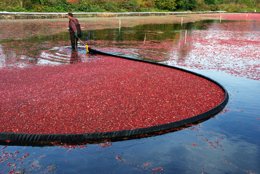
Autumn (mid-November) brings peak ripeness—deep color, optimal flavor, and maximum bounce (a key freshness indicator).
Berries are bounce-tested: good bounce = fresh and ripe; poor bounce = overripe (discarded). This simple physics-based method effectively sorts quality.
Both methods serve different market needs—wet for processed products, dry for fresh whole berries.
Mole Control in Georgia: Professional Referral and Bait Options
How to Grow Artichokes: Jerusalem vs. Globe Varieties
How to Harvest and Use Juniper Berries
How to Harvest Petunia Seeds for Next Season’s Blooms
Growing Cucumbers Successfully: Soil, Support, Pollination, and Harvest Tips
How to Grow Dianthus (Pinks, Carnations): Fragrant, Easy Perennials for Sun
Comprehensive Mouse Control: Identification, Exclusion, and Safe Elimination
Effective Chipmunk Control: Trapping and Habitat Modification
Harvesting Hydrangea 'Annabelle' Seeds vs. Cuttings: What You Need to Know
Pruning Hardy Opuntia in Wisconsin: Safe Trimming Techniques
Cymbidium Flower Drop After One Week: Normal or Problem?
Copyright © www.100flowers.win Botanic Garden All Rights Reserved