


The sago palm (Cycas revoluta) is not a true palm but a cycad—a group of ancient, cone-bearing plants that predate dinosaurs. Its stiff, glossy, dark green fronds radiate from a central trunk, creating a symmetrical, architectural rosette that adds a prehistoric touch to landscapes and interiors.
Slow-growing to 6–10 feet tall over many decades, sago palm forms a stout trunk with age. It prefers bright light, well-drained soil, and moderate water. Allow soil to dry slightly between waterings. It is dioecious (separate male and female plants); females produce large, orange seeds in a central cone. All parts are highly toxic if ingested.
Popular as a container specimen, in tropical/subtropical gardens, and as a houseplant in bright locations. Hardy in zones 9–11; protect from hard freezes.
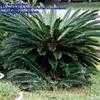
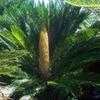


Cycas revoluta (Sago Palm) Care and Identification
Sago Palm Scale: Black Growths on Fronds and Organic Control
Palm Grass (Setaria palmifolia)
Madagascar Palm (Pachypodium lamerei)
Bismarck Palm (Bismarckia nobilis): Silver-Blue Fan Palm for Grand Landscapes
Parlor Palm (Chamaedorea elegans): The Classic Victorian Houseplant
Traveler's Palm (Ravenala madagascariensis): Iconic Fan of the Tropics
Japanese Snowbell (Styrax japonicus): Elegant Bell Flowers in Spring
Kumaon Palm (Trachycarpus takil): Hardy Himalayan Fan Palm
Solitaire Palm: Elegant Tropical Feather Palm for Landscapes
Carpentaria Palm: Fast-Growing Tropical Feather Palm
Canary Island Date Palm (Phoenix canariensis): Majestic Feather Palm for Landscapes
Chinese Fan Palm (Livistona chinensis): Elegant Fountain Palm for Landscapes
Copyright © www.100flowers.win Botanic Garden All Rights Reserved