


| Family: | Cupressaceae (koo-press-AY-see-ee) (Info) |
| Genus: | Juniperus (jew-NIP-er-us) (Info) |
| Species: | ashei (ASH-ee-eye) (Info) |
| Synonym: | Juniperus occidentalis var. conjungens |
| Synonym: | Juniperus occidentalis var. texana |
| Synonym: | Juniperus sabinoides |
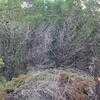
Ashe Juniper (Juniperus ashei), commonly called **Mountain Cedar, Post Cedar, or Blueberry Juniper**, is the **dominant evergreen of the Texas Hill Country and Edwards Plateau**. Often maligned for its allergenic pollen ("cedar fever") and water use, it is ecologically vital: providing **critical habitat for the endangered Golden-cheeked Warbler**, stabilizing limestone slopes, and supporting a unique ecosystem.
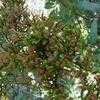
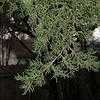
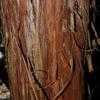
A **multi-trunked, bushy evergreen shrub or small tree**, 15–30 feet tall, with a dense, irregular crown. Foliage is **scale-like, dark green to gray-green**, in dense sprays. The "berries" are **fleshy, blue-black cones (1/4 inch)** with a white bloom—resembling blueberries—eaten by birds (especially cedar waxwings) and mammals. Bark is **thin, shreddy, reddish-brown**, peeling in long strips—used by warblers for nest material.
**Male trees release massive clouds of yellow pollen in Dec–Jan**, causing severe "cedar fever" allergies. Female trees produce the berries. **Ecologically essential**: Warbler nests *only* in mature Ashe Juniper bark strips. The tree protects soil, recharges aquifers (contrary to myth), and supports diverse wildlife.
**Management**: Prescribed fire (historically maintained savannas), selective removal (not eradication), and female-tree retention for wildlife. **Not a landscape ornamental** (allergy, form, fire hazard). A **keystone species of the Texas Hill Country**—understanding its role is key to land stewardship.
6×6 vs 8×8 Cedar Fence Posts: Mortising for Rails
Juniper Berries: Edible Uses, Safety, and Culinary Applications
Texas Mountain Laurel (Calia secundiflora)
Arenaria montana (Mountain Sandwort)
Mountain Holly Fern (Polystichum lonchitis)
Common Juniper (Juniperus communis): Wide-Ranging Conifer for Gin, Wildlife, and Landscape
Juniper Ground Covers: Versatile, Drought-Tolerant Evergreens for Every Climate
Copyright © www.100flowers.win Botanic Garden All Rights Reserved