


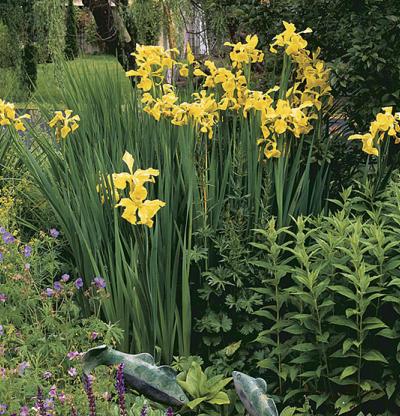
Iris spuria is one of the tallest growing beardless irises, available in a wide range of flower colors, blooming from late spring to mid-summer. Tall like Japanese irises but with upright flowers and later bloom than tall bearded types.
Tall; wide range of flower colors; later bloom than bearded irises.
Well-drained soil in full sun to part shade. Most require a dry summer dormancy, alkaline soil, and high fertility.
Sow seed in a cold frame in fall. Lift and divide clumps and replant immediately in early autumn.
Iris borer, verbena bud moth, whiteflies, iris weevil, thrips, slugs, snails, aphids, nematodes. Bacterial leaf blight and soft rot, crown rot, rhizome rot, leaf spot, rust, viruses, and scorch can occur.
Iris Seed Pods, Cross-Pollination, and Rhizome Division
Overwintering Pond Iris in Kansas: Which Varieties Survive?
Circular Tree Ring Alternatives: Flexible Edging for Small Beds
Wild Orchid Identification: Need Column & Leaf Close-Ups
Phalaenopsis Yellowing Spike After Temperature Drop: Natural Dieback or Stress?
Identifying a Purple/Red Cone-Shaped Flower with Herbal Scent
Preserving Sarracenia Pollen for Later Use
Identifying a Pink Lisianthus from a Bouquet
Bromeliad Care: Water in Cups, Pups After Flower Dies
Transplanting Iris Under Oak Trees and Deterring Moles
New Guinea Impatiens Identification from Florida Photo
Orange Wildflower Near Bunker, Missouri: Possible Poppy Relative
Copyright © www.100flowers.win Botanic Garden All Rights Reserved