



Family: Lamiaceae (lay-mee-AY-see-ee)
Genus: Teucrium (TEW-kree-um)
Species: canadense (ka-na-DEN-see)
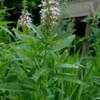
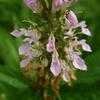
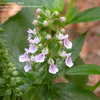
Canada germander is a rhizomatous perennial growing 2–4 feet tall with square stems and opposite, lance-shaped, toothed leaves. In mid to late summer, it produces dense, terminal spikes of tubular, pale lavender to pinkish flowers with a prominent lower lip. The flowers are highly attractive to bees, butterflies, and hummingbirds. Spreads aggressively by rhizomes to form colonies.
Native to moist prairies, meadows, and streambanks across North America. Prefers full sun to partial shade and consistently moist to wet soil. Tolerates clay and seasonal flooding. Hardy in zones 3–8. Can be aggressive in garden settings; best used in large naturalistic plantings, rain gardens, or contained areas. Divide rhizomes in spring to control spread.
A magnet for native pollinators, especially long-tongued bees. Provides nectar during mid-summer dearth. Seeds feed birds. Deer resistant. Excellent for wetland restoration and pollinator corridors.
Used by Indigenous peoples for medicinal teas (fever, colds, digestive issues). The genus name Teucrium honors King Teucer of Troy, who supposedly discovered the plant's medicinal properties.
American Halo Hosta: A Large Variegated Cultivar from 1999
Hosta 'American Masterpiece' – Patriotic Excellence from 1999
Salvia 'Indigo Spires': Hybrid Sage with Long Indigo-Blue Spikes
Sage 'Blue Chiquita' (Salvia 'Blue Chiquita')
Silver Sage 'Artemis' (Salvia argentea 'Artemis')
Autumn Sage 'La Luna' (Salvia × jamensis 'La Luna')
Golden Sage (Salvia officinalis 'Aurea'): Chartreuse Foliage for Herb and Ornamental Gardens
Forsythia Sage 'Dunham' (Salvia madrensis 'Dunham')
Salvia mexicana 'Snowflake' (Mexican Sage)
Salvia mexicana 'Tula' (Mexican Sage)
Daylily 'American Revolution' – Historic Bicolor from 1972
American Indian Daylily: A 1972 Wild Tribute
Greater Wood Rush (Luzula sylvatica): Evergreen Groundcover for Deep Shade
Copyright © www.100flowers.win Botanic Garden All Rights Reserved