


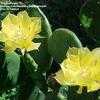
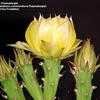
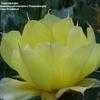
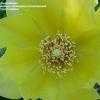
Ellisiana Prickly Pear (Opuntia cacanapa 'Ellisiana') is a prized, nearly spineless selection with large, smooth, blue-green pads. It forms a shrubby clump 3–5 feet tall and wide. The pads are exceptionally smooth and lack the glochids (tiny barbed hairs) common to most opuntias, making it much friendlier to handle. Yellow flowers with orange centers appear in spring, followed by purple-red fruit. A hybrid of garden origin, it's cold hardy and heat tolerant. Excellent for edible landscaping (nopales) and family-friendly gardens.
Full sun.
Low. Drought-tolerant once established.
Well-drained, gritty.
USDA zones 7–10. Cold hardy.
| Family: | Cactaceae |
| Genus: | Opuntia (op-UN-shee-a) |
| Species: | cacanapa |
| Cultivar: | Ellisiana |
| Synonyms: | Opuntia lindheimeri var. ellisiana, Opuntia x ellisiana, Opuntia engelmannii x ficus-indica, Opuntia ellisiana |
Caring for an Aging Opuntia and Top-Heavy Jade Plant
Frozen Snake Plant (Mother-in-Law's Tongue): Trim or Wait?
Will Divided Tiger Lilies Bloom This Year?
Transplanting Tiger Lilies vs. Daylilies in New Jersey: Know Which You Have
Why Tiger Lilies Stop Blooming: Shade Is the Culprit
Tiger Lily: Growing, Arrangements & Tattoo Symbolism
Aloe variegata haworthii 'Tiger Aloe' – Banded South African Succulent
Creeping Beavertail (Opuntia aurea): A Low, Yellow-Flowered Prickly Pear for Groundcover
Whale's Tongue Agave (Agave ovatifolia)
Eastern Prickly Pear Cactus (Opuntia compressa)
Purple Tiger Rose: Purple and White Striped Blooms with Currant Fragrance
Tickle Tongue Tree: Prickly Ash, Nature’s Oral Anesthetic
Painted Tongue (Salpiglossis): Velvety, Stained-Glass Blooms
Copyright © www.100flowers.win Botanic Garden All Rights Reserved