


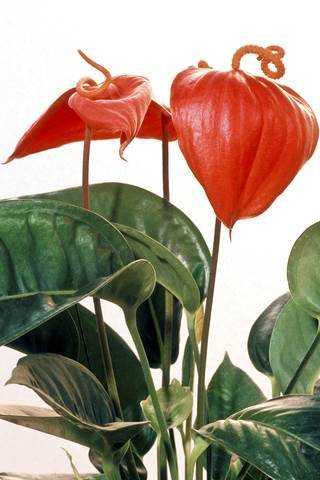
A. scherzerianum is the true Flamingo Flower; A. andreanum is the Oilcloth Flower. Differences: Flamingo is smaller, leaves differ in shape, and spadix grows straight or slightly bent in Oilcloth. Many hybrids exist.
Delightful but need plenty of care and attention—may not suit beginners.
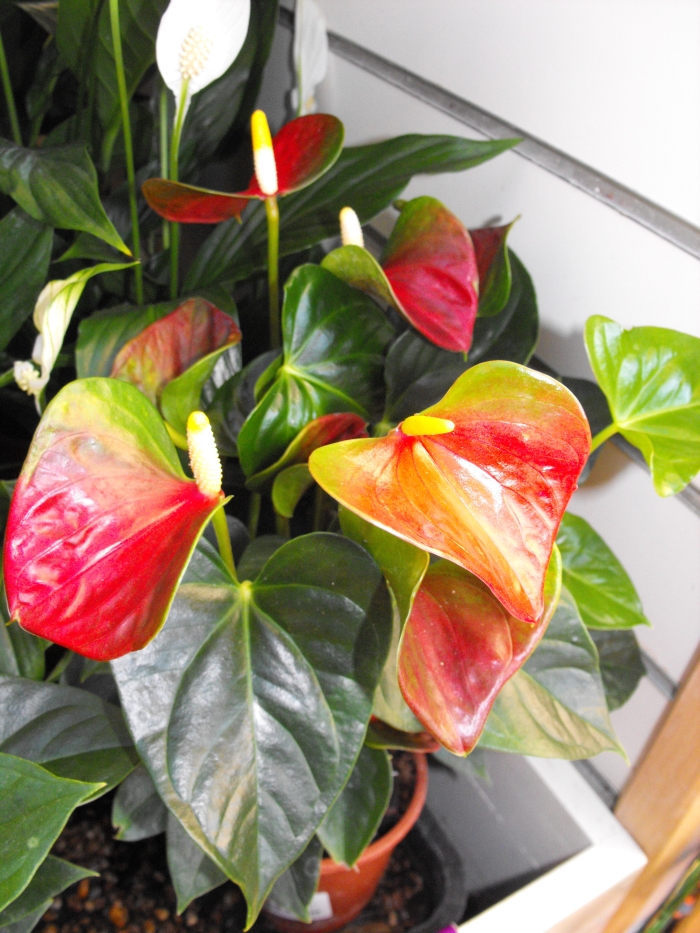
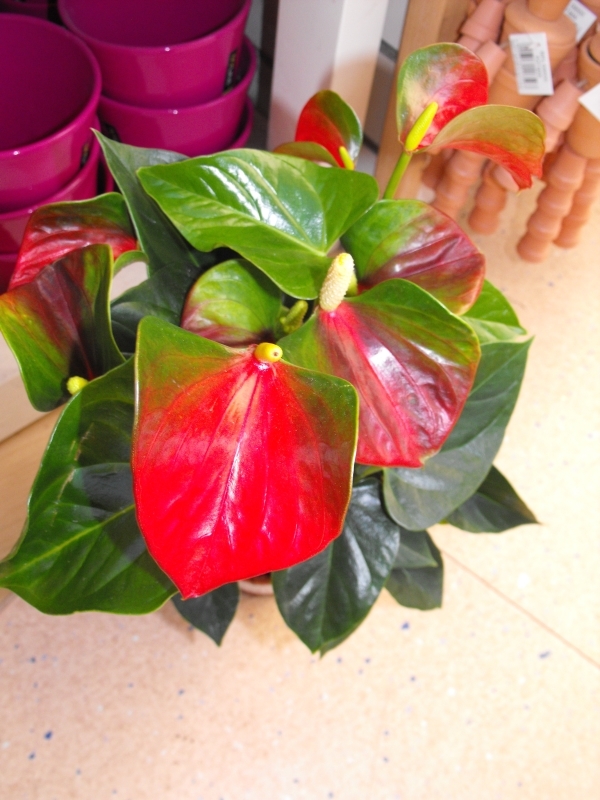
Spadix (curly orange stem of tiny flowers) and spathe (glossy modified leaf, often red) look outstanding. Spathe has distinct glossy sheen; blooms spring–summer, lasting weeks. Lance-shaped leaves ~8 inches long. Misting and cleaning enhance appearance.
Toxicity: Poisonous if ingested—digestive issues. Keep away from pets; wear gloves when handling/repotting to avoid skin irritation.
Weed-Free Flower Seed Beds: Mulch, Not Herbicide
Watering Cacti and Succulents in Hot California Climates: Shade Adjustments
Phalaenopsis Keiki on Spike: Separation Timing and Repotting Priority
Cymbidium Spike vs. New Growth Identification
Southern California Rose Dieback: Water, Stop Fertilizing, Avoid Miracle-Gro
Identifying White/Purple Morning Glory-Like Flowers in PA
Tap Water Suitability and Styrofoam Container Insulation for Sarracenia
Sundew Hybrid Sterility and Sarracenia Seed Storage
New Gardenia Has Spider Mites: Treat and Accept Bud Loss
What to Do When Your Corn Plant Blooms
Dracaena 'Janet Craig' Yellowing Lower Leaves & Anthurium Leaf Spots: Diagnosis
Post-Freeze Care for Foxtail Ferns and Mystery Grasses
Identifying a Fragrant, Corn-Like Plant with Recurrent Blooms: Likely Lily Varieties
High-pH Soil for Cut Flower Business: Fast Acidification Before Planting
Copyright © www.100flowers.win Botanic Garden All Rights Reserved