


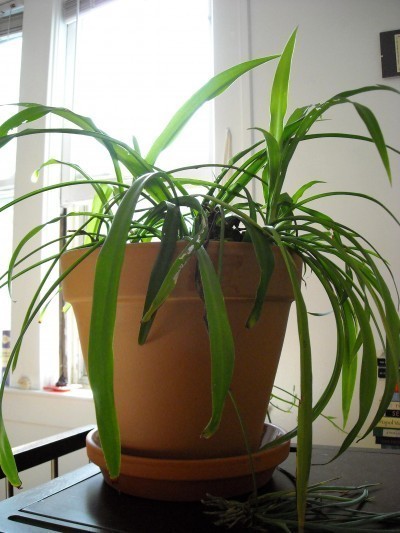
The secret to thriving houseplants isn't a green thumb—it's providing consistent, appropriate conditions and catching problems early. Each species has preferences, but the core pillars of care are universal: water, humidity, temperature, light, nutrition, pest management, and grooming.
Overwatering (soggy soil, no oxygen) and underwatering (desiccated roots) both kill. The fix: know your plant's preference—"keep evenly moist" vs. "allow to dry between waterings"—and check soil with your finger, not a calendar. Winter growth slowdown means less water for most plants. Use a moisture meter or the chopstick test if unsure. Never let pots sit in drainage water.
Many tropicals need 50–60% humidity; heated homes often drop to 20%. Solutions: group plants (creates humid microclimate), pebble trays (pot on gravel above water line), humidifiers, or place moisture-lovers in bathrooms/kitchens. Misting helps briefly but doesn't raise ambient humidity significantly. Winter air is especially drying—monitor leaf edges for browning.
Most foliage plants prefer 55–75°F (13–24°C). Flowering plants often need specific day/night differentials (e.g., orchids: warm days, cool nights). Avoid drafts (doors, AC vents), radiators, and cold window glass at night. Cooler nights (5–10°F drop) benefit most plants.
Rotate pots weekly for symmetry—leaves phototropically bend toward light. Clean leaves monthly; dust reduces photosynthesis.
Over-fertilizing causes salt buildup, weak growth, and pest attraction. Under-fertilizing yields pale, stunted plants. Balanced approach: water-soluble fertilizer at ½ label strength, 3× during active growth (spring–summer). Stop or reduce in fall/winter. Some plants (orchids, African violets, citrus) have specialized needs—follow label directions.
Healthy plants in proper conditions rarely get severe infestations. Stressed plants (wrong light, water, temp) emit chemical signals that attract pests. Common culprits: spider mites (dry air), mealybugs, scale, fungus gnats (overwatering), aphids. Inspect weekly. Isolate new plants 2 weeks. Treat early: insecticidal soap, neem oil, alcohol swabs, yellow sticky traps.
Treat each plant as an individual. Read its tag, research its native habitat, and observe its responses. Consistency and attention—not luck—create a thriving indoor garden.
Container Gardening Mastery: Thriving Gardens in Small Spaces
The Benefits of Indoor Plants: Beauty, Health, and Well-Being
Feeding Indoor Plants: The Balanced Approach to Fertilizing
Best Tall Indoor Plants for Dramatic Home Decor
Best Office Plants: Low-Light, Low-Maintenance Greenery for Workspaces
Indoor Plant Lights: Complete Guide to Grow Lights for Houseplants
Large Indoor Plants: Statement Specimens for Spacious Interiors
Are Bare-Root Plants Alive? The Scratch Test
Preventing Fraser Island Sundew Death: Stable Warmth and Close Light
Indoor Plant Management: Boost Office Health and Productivity
Indoor Plant Care Fundamentals: Light, Water, Humidity, and Seasonal Needs
Understanding Your Houseplant's Lifestyle Needs
Pet-Safe Houseplants: Identifying Toxic vs. Non-Toxic Varieties
Copyright © www.100flowers.win Botanic Garden All Rights Reserved