


1. Home
  2. Question and Answer
  3. Houseplants
  4. Garden Articles
  5. Most Popular Plants
  6. Plant Nutrition

Handling Toxic Houseplants: Safety for People & Pets

Many stunning houseplants contain irritants or toxins. With precautions, you can enjoy them safely.

Personal Protection

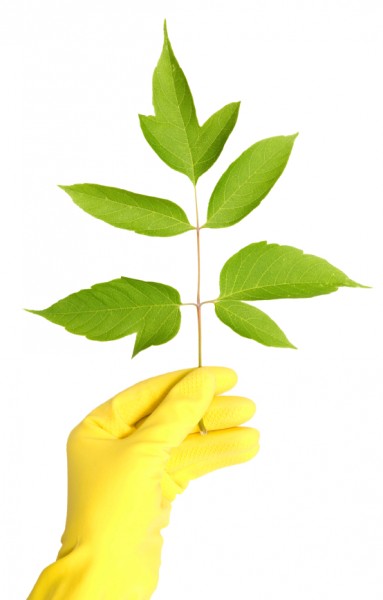
  • Wear rubber gloves; avoid sap contact with eyes, mouth, wounds.
  • Keep away from small children and pets (cats/birds nibble indiscriminately).
  • Look for death’s-head symbol on tags.
  • Toxicity may be whole-plant or part-specific; species- or family-wide.

Major Toxic Plant Families

  • Euphorbiaceae (white latex sap → eczema): Crown of thorns, Croton, Acalypha.
  • Araceae (sap → swelling, pain, eye damage): Dieffenbachia, Chinese evergreen, Flamingo flower, Swiss cheese plant, Philodendron, Calla lily.
  • Amaryllidaceae (sap → nausea, vomiting, diarrhea): Tulip, Narcissus, Hyacinth, Amaryllis, Clivia.
  • Solanaceae (includes Browallia, Brunfelsia, Capsicum, Solanum pseudocapsicum): Wash hands thoroughly; don’t touch eyes.
  • Apocynaceae (bitter, heart-affecting toxins): Oleander, Allamanda, Carissa, Madagascar periwinkle, Dipladenia, Madagascar palms. Dangerous if large amounts eaten.
  • High-risk berries: Clivia, Solanum pseudocapsicum (most common poisoning). Keep away from children.
  • Lethal tubers: Gloriosa lily, Autumn crocus.

Allergens & Physical Hazards

  • Primulas: Skin irritation from leaf hairs (Primula obconica, malacoides). Not poisonous.
  • Cyclamen: Similar irritant in corms (rarely contacted).
  • Spines/thorns: Cacti, Yucca, Agave, Aloe cause puncture wounds, eye injuries.
  • Desert rose (Adenium): Extremely toxic latex—avoid all contact.

Pet Protection

  • Provide cat grass; deter nibbling.
  • Keep toxic plants inaccessible.
  • Never leave fertilized/medicated water out—pets drink it.
  • Cactus spines injure curious pets.

Respect the defenses nature built—admire toxic beauties from a safe distance.

Copyright © www.100flowers.win Botanic Garden All Rights Reserved