


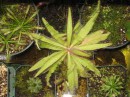
Darlingtonia californica grows in nutrient-poor bogs. Hooded, tubular leaves with forked “tongues” lure insects with nectar; downward-pointing hairs trap them. Resembles a cobra—hence “Cobra Lily.”
Cut dead pitchers, leave young ones. Keep lightly moist and cool (garage/basement). No freezing. Resume normal care in spring.
Divide in early spring before vigorous growth. Seeds slow.
Feed it dead flies (no insecticide exposure) if indoor hunting is scarce. A fascinating, high-maintenance conversation piece.
Identifying a Tropical Pitcher Plant: Nepenthes Hybrid Care Basics
When to Move a Seedling Pitcher Plant Outdoors
New Nepenthes Brown Leaf Tips: Normal Acclimation, Not a Problem
Sarracenia flava Dormancy Indoors: Trim Brown, Keep Cool, Plan Outdoor Move
Nepenthes alata Loses Last Pitcher: No Problem—Focus on Light
Identifying Mystery Pitcher Plant and Correct Watering Method
Nepenthes Fusca Pitcher Failure: Insufficient Light Despite Apparent Growth
Feeding Sarracenia 'Judith Hindle': Can You Use Nightcrawlers?
Small Holes in Pitcher Plant Leaves: Yellow Jackets or Other Pests?
Correct Soil for Pitcher Plants: Peat and Perlite, Not Sphagnum
Identifying Sarracenia purpurea subsp. venosa
Seasonal Pitcher Decline in Sarracenia: Summer Dormancy Explained
Pitcher Plant Care: No Fertilizer, Pure Water, Live Insects Only
Copyright © www.100flowers.win Botanic Garden All Rights Reserved