


Gardeners often encounter confusion when shopping for "night-blooming cereus" because the common name applies to two very different epiphytic cacti. Understanding their distinct growth habits and leaf structures ensures you get the plant you want.
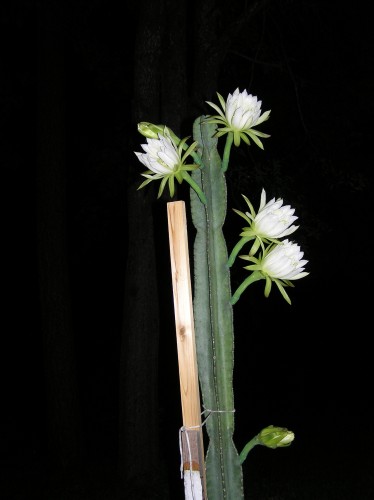
This group features triangular, three-angled stems that grow upright, reaching up to 15 feet in their native habitat. The stems resemble squared-off prickly pear pads with repetitive spines along the edges. True Cereus species have rounded stems and tiny leaves. Flowers are spectacular: funnel-shaped inner petals surrounded by daisy-like outer petals, often intensely fragrant and opening only for a single night.
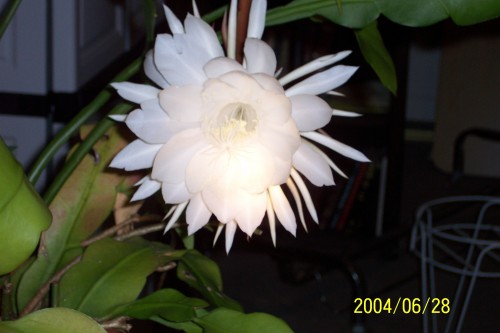
The second plant commonly sold as night-blooming cereus is Epiphyllum oxypetalum and its hybrids. These have a shrubby, cascading habit, rarely exceeding 8 feet in the wild. Their stems are flat, smooth, and long, with spines only at the scalloped margins. Flowers are multi-petaled, huge, and equally nocturnal. They thrive in hanging baskets where their pendant stems can drape gracefully.
Hedge Dead Leaf Groups: Fungal Dieback, Fungicide and Pruning
Addressing Fungal Spots and Insect Damage on Pansies
Leaf-Eating Insects: Aphids, Beetles, and Millions More
First Orchid Care: Watering, Feeding, and Fixing Split Leaves
Diagnosing Abnormal Rose Leaves: Light Green, Narrow, Shriveled Clusters
Climbing Rose Blooming But No Leaves: Animal Ate Them
Identifying Suckers on a 'Pilgrim' Rose: Leaflet Count Isn't Everything
Summer Defoliation: Humidity, Fungicide Gaps, and Foliar Feeding for Recovery
Indiana Tree Leaf Identification Resources for Science Projects
Chaparral (Larrea tridentata): Desert Medicine for Immunity and Detox
Should You Remove Dead Ficus Leaves from the Soil?
Identifying a Leafless Mystery Plant: Why Foliage Is Essential for Diagnosis
Money Tree (Pachira) Scale Insects: Identification and Treatment
Preserving Autumn Leaves: Pressing Techniques and Long-Term Storage
Copyright © www.100flowers.win Botanic Garden All Rights Reserved