


Lush indoor plants transform a house into a home—purifying air, softening architecture, and boosting mood. But not everyone has bright south-facing windows or a rigorous watering schedule. The secret to thriving greenery? Match plants to your actual conditions. Here are the best low-maintenance houseplants categorized by light tolerance.
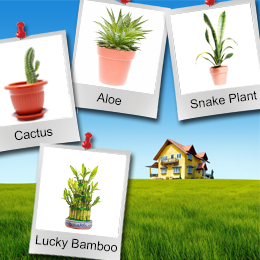
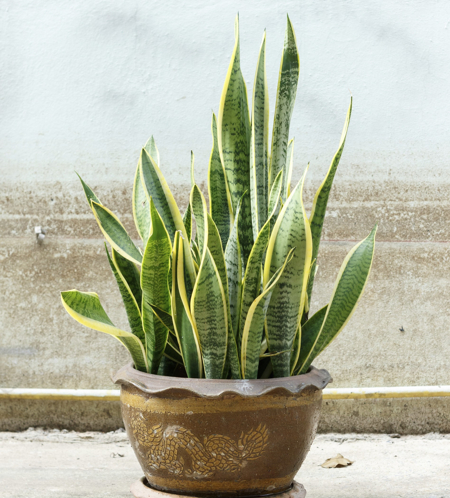
Upright, sword-like leaves with dramatic banding. Tolerates neglect, low light, and drought. Releases oxygen at night. Water monthly in winter, every 2–3 weeks in summer.
Glossy, dark green leaflets on thick rhizomes that store water. Virtually indestructible. Water only when soil is bone-dry. (See full care guide in Article 55529.)
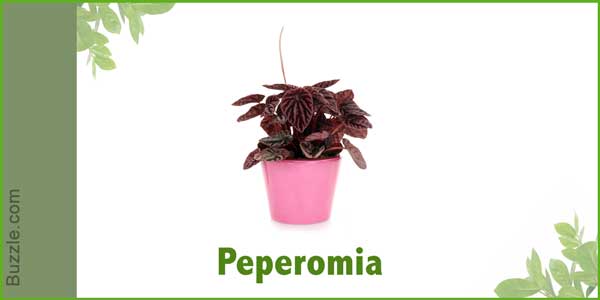
Variegated foliage in silver, cream, pink, or red. Thrives in low light; water when top inch dries. Air-purifying. (See Article 55520 for detailed care.)
Slow-growing, dark green strappy leaves. Survives deep shade, temperature swings, and irregular watering. Truly lives up to its name.
Trailing vines with heart-shaped leaves (green, golden, or marble). Grows in water or soil. Prune to keep bushy. Toxic to pets.
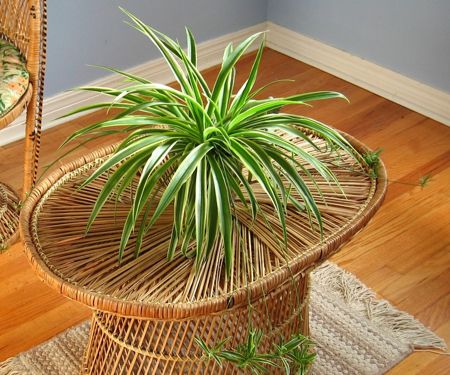
Arching green-and-white striped leaves; produces "spiderettes" for hanging baskets. Adaptable, non-toxic, air-purifying. Water weekly.
Glossy leaves, white spathes. Signals thirst by drooping. Removes VOCs. Keep away from pets.

Architectural canes with strap leaves. D. marginata (dragon tree) has red-edged leaves; D. fragrans (corn plant) has broad green leaves. Let soil dry between waterings. (See Article 55527 for D. marginata care.)
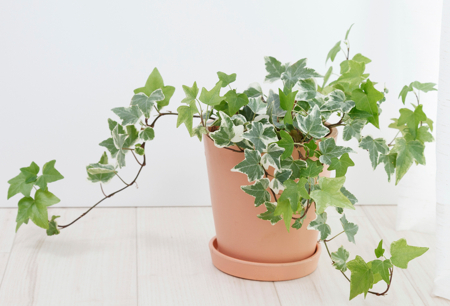
Classic trailing vine. Fast-growing, forgiving. Pinch tips for fullness.
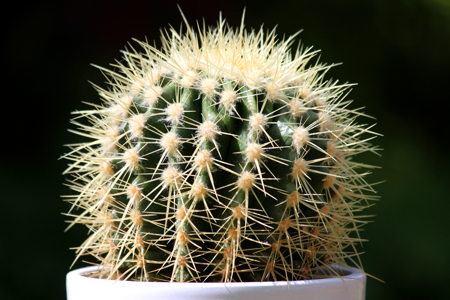
Aloe vera, Echeveria, Haworthia, Jade plant, Christmas cactus. Need gritty, fast-draining soil. Water deeply but infrequently—let dry completely. Rotate for even growth.
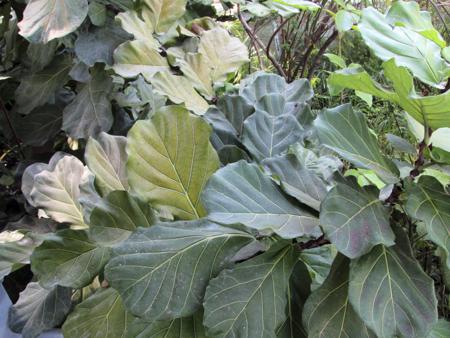
Large, violin-shaped leaves. Wants bright, consistent light; hates drafts and schedule changes. Water when top 2 inches dry.
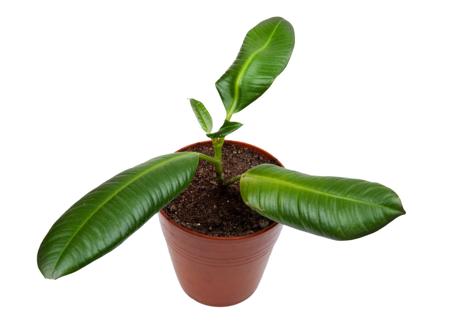
Thick, glossy leaves (burgundy, green, variegated). More tolerant than fiddle leaf. Wipe leaves to remove dust.
Explosion of color—red, orange, yellow, green. Needs high humidity and bright light to maintain pigment. Sensitive to change.
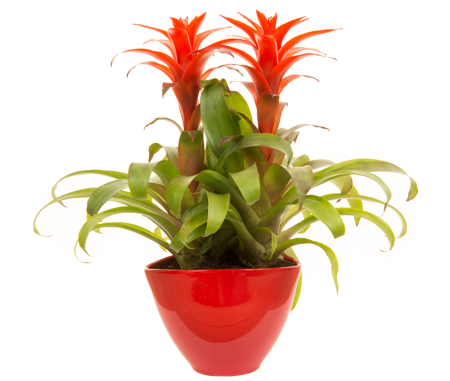
Rosettes with spectacular flower spikes. Fill central "tank" with water; mist regularly. Bright light, warmth, humidity.
Start with one or two plants matched to your light. Success builds confidence—and a greener home.
Fungus Gnats in Houseplants: Soil Moisture Management Is Key
Best Large Houseplants for Dry Denver Climate (Majesty Palm Alternatives)
Reviving a Declining Yucca: Underwatering Suspected
Office Plant Soil Digging: Mouse, Slug, or Cat?
Identifying a Red-Leaved Foliage Plant
Unusual House Plants: Extraordinary Specimens for Your Collection
The Floras: Garden's Best Plants Honored with Academy Awards-Style Awards
Killing Thorny Pasture Weeds Without Harming Cattle or Grass
Best Carnivorous Plants for a Large Frog Terrarium (175 Gal)
Purple Passion Plant (Gynura aurantiaca) Losing Color After Mail Order
ZZ Plant Floppy Stems: Light and Water Fixes
Eliminating Fungus Gnats and Mealybugs on Houseplants
Copyright © www.100flowers.win Botanic Garden All Rights Reserved