


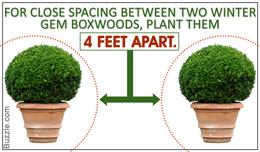
 The Maiden GemThe very first time when America grew Winter Gem Boxwood was way back in 1653!Known as an evergreen ornamental shrub, Winter Gem Boxwood is scientifically termed as Buxus microphylla var. japonica. Some also call it as Buxus microphylla var. koreana and more commonly known as Japanese Boxwood or simply, Winter Gem. This tiny plant is known for its smooth leaves that are oval-shaped, and together form the rich, green foliage of the shrub. The leaves may feel leathery to touch. Pruning and trimming the leaves can enable one to have a desirable shape. The most common shape is dome-shaped Winter Gems. These plants usually attain a size of about 3 - 4 ft tall. This variety of evergreens can continue to make your garden area green, for as close to 30 years at the least maintenance cost and effort. All it needs is the right conditions to grow and flourish.
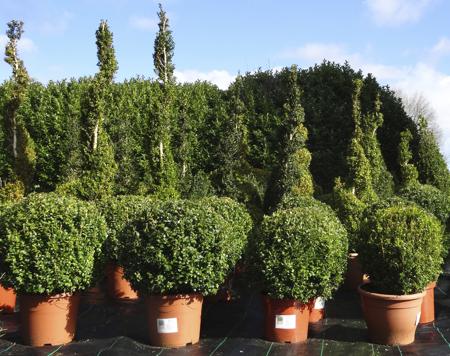 They grow well in full sunlight and partial shade. If you plan to grow them under larger tree canopies, go ahead! This does wonders to the Winter Gem. But the morning and the afternoon sun is not liked by the plant. It is so dangerous that the bark of the plant may split. These hardy shrubs can withstand temperatures of up to -20 to -25°F.WATER
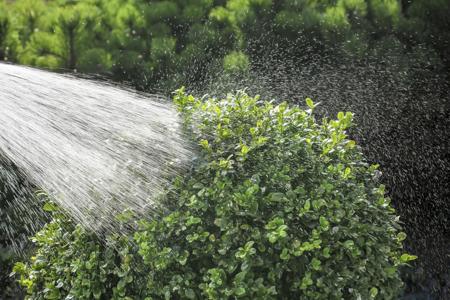 Frequent watering, more precisely, weekly watering of the plant for about 3 - 4 times is suggested. The newly planted ones require even more water supply for the initial growing weeks, ranging from four to six weeks.The roots of the Winter Gem are shallow; therefore, they require moisture to grow, but standing water is not good for the roots because the roots are unable to absorb all the water, and suffer from problems pertaining to excess water. In winters, snowing is common. Therefore, brush off the snow and ice layers from the leaves to prevent them from significant damage.FERTILIZERS
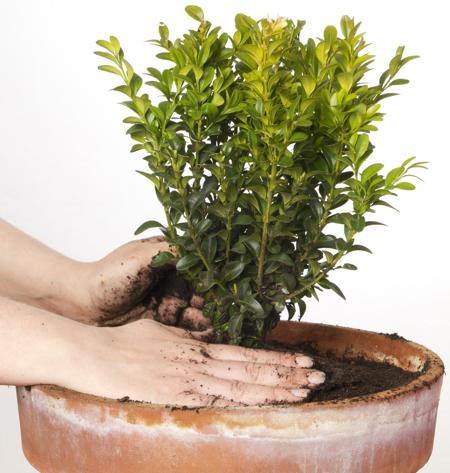 The best time to add fertilizers to your Winter Gem is during mid-October and March. Winter Gems exhibit noteworthy growth when supported with the right kind and quantity of fertilizers. But the only cause of concern is that too much of direct exposure of the roots to fertilizers can cause some harm to your dearest plants. A good fertilizer mix of potassium, nitrogen, and phosphorous meets the nitrogen requirements of the plant, and protects it from having yellow leaves. Always bear in mind to maintain the correct moisture and mulch levels before adding the fertilizers.PRUNING
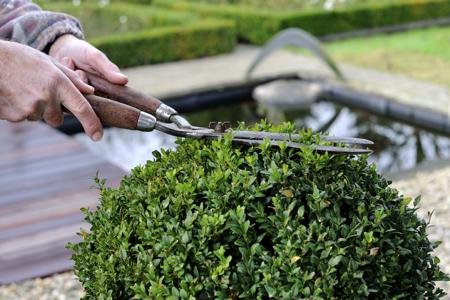 This is as healthy a practice to follow for Winter Gems, as it is for the other shrubs. This results in excellent growth of the plant, and allows it to have wonderful shapes, keeping the infections and damage away. Pruning results in the best results if done during spring. Usually, the Winter Gems have an inherent 'rounded' shape. But, to add your desired shapes, you can trim, prune, and shear it freely without the threat of upsetting its natural growth.SOIL and pH LEVELSThe basic need of the Winter Gem is a well-drained soil. But this variety of hardy shrubs do respond well to even drought for sometime. However, extended dry periods will do more harm than good, leading to fatal growth of plants. The texture of the soil can be sandy. The pH level can be acidic to alkaline, between 6-7. The soil should remain moist, but the drainage should be good.PESTS AND DISEASESThe pests are the only problems that can mar the beauty of your Winter Gem. The common ones that have been noted are psyllids, leaf miner, and mites.Psyllids can cause the leaves to curl. They can be controlled by using insecticides.
Copyright © www.100flowers.win Botanic Garden All Rights Reserved