


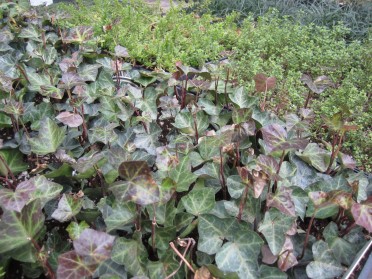
English Ivy is a classic for good reason: it covers ground quickly, thrives in shade, and adapts to containers, hanging baskets, and indoor culture. Dark green, three-to-five-lobed leaves with paler veins are 2–4 inches wide at the base. A workhorse plant for challenging sites.
Outdoors, it's a groundcover or climber. Indoors, it thrives in high light. Note: can be invasive in some regions—check local guidelines before planting in the ground.

English Ivy Decline Under Walnut Trees: Causes & Solutions
Managing English Ivy on Trees and Brick Walls
English Ivy (Hedera helix) Care: Classic Trailing Vine
English Ivy (Hedera helix): Care, Toxicity Myths & Versatile Growth
English Ivy on Pines: Patience After Cutting Vines
Rooting English Ivy Cuttings to Cover Stumps
English Ivy Dieback: Fungal/Bacterial Leaf Spot from Excess Moisture
English Ivy Stunted Growth: Salt Buildup, Root Bound, or Disease?
Propagating English Ivy from Cuttings
Propagating English Ivy for a School Project: Soil Method Beats Water
Transplanting English Ivy & Making Topiaries for a Backyard Wedding
Eradicating English Ivy with a Scheduled Glyphosate Program
English Ivy vs. Irish Ivy: How to Tell Them Apart
Diagnosing and Treating English Ivy Decline Caused by Excess Moisture
Copyright © www.100flowers.win Botanic Garden All Rights Reserved