


Designing your home landscape is one of the most rewarding creative projects a homeowner can undertake. With thoughtful planning and a touch of imagination, your backyard can become a personal sanctuary—beautiful, functional, and alive with seasonal interest.
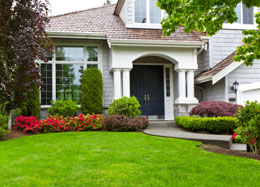
Local species thrive with less water, fertilizer, and pest management because they're evolved for your climate and soils. They also support native pollinators and wildlife.
Stagger bloom times so something is always flowering or showing colorful foliage. Include evergreens for winter structure, spring bulbs, summer perennials, and fall color.
Hedges, screens, and border plantings define spaces beautifully while providing habitat and wind protection.
Traditional lawns originated in England's cool, moist climate. In arid regions, they're water-intensive and ecologically questionable. Consider reducing lawn area or replacing it with drought-tolerant groundcovers. Where lawn is desired, micro-irrigation systems deliver water efficiently.
Place taller plants at the back (or center of island beds), mid-height in the middle, and low growers at the front. This creates depth and ensures all plants receive adequate light.
Bird feeders, baths, hanging baskets, and ceramic pottery draw the eye and add personality. Position them where they won't impede plant growth or maintenance access. A small bridge at a garden entrance, a swing nestled in a shaded nook, or a deck extending indoor living space outdoors—all elevate the experience.
Even a modest two-foot waterfall transforms a garden. The sight and sound of moving water mask urban noise, attract birds, and create a cooling microclimate.
Yellow flowers near windows brighten interior views and lift mood. Cool blues and purples recede visually, making small spaces feel larger.
A compact greenhouse extends the growing season, lets you cultivate exotic species, and becomes a living classroom for children. Modern kits are affordable, portable, and available in sizes to fit most yards.
Garden design software lets you experiment with layouts, plant selections, and hardscapes before breaking ground. Many programs generate planting plans and material lists. You can then hire a landscape contractor to execute the design.
Your landscape should be both beautiful and livable—a place to relax, entertain, and connect with nature. Honor the fundamentals—circulation, drainage, soil health, plant suitability—then customize freely. The best gardens reflect the people who tend them.
10 Creative Landscape Design Ideas to Make Your Garden Unique
Kitchen Design Trends: Blending Technology, Craftsmanship, and Lifestyle
Cottage Garden Landscape Design: Romantic Abundance with Strategic Structure
Basic Landscape Design: A Step-by-Step Planning Guide
Creative Home Landscaping Ideas to Boost Curb Appeal and Livability
10 Principles for an Exuberantly Abundant Landscape
Designing Gardens of Experience: Simplicity, Exploration, Mystery, and Local Roots
Gazebo and Flower Bed Balance: Design Principles for Large Property
Fast-Growing, Deer-Resistant Hedges for Zone 6 New York
Landscape Design Education: School vs. Apprenticeship Path
Landscape Design Software Recommendations for Homeowners
Colorful Landscape Design: Beyond Flowers — Edging, Mulch, Structures, and Furniture
Meditation Garden Design: Create Your Personal Sanctuary
Home Improvement Ideas: Practical Upgrades That Add Value and Beauty
Copyright © www.100flowers.win Botanic Garden All Rights Reserved