


Datura (Datura stramonium), known as jimson weed, stinkweed, mad apple, or thorn apple, is a powerful medicinal plant with significant toxicity risks. Recognized in Ayurvedic medicine, it grows in Himalayan foothills and blooms at night with large, trumpet-shaped white or purple flowers pollinated primarily by hawk moths.
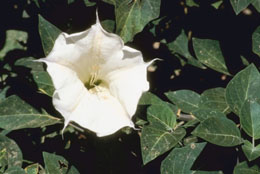
Datura contains carcinogenic pyrrolizidine alkaloids that accumulate in the liver. Even moderate doses can cause:
Critical warning: A nursing mother's consumption of datura tea caused infant death from liver disease, leading to German sales restrictions. Accidental poisoning from overdose is a genuine risk.
Native American legend tells of siblings A'neglakya and A'neglakyatsi-tsa who could induce sleep and hallucinations. Threatened, the sun god's twin sons killed them; from their burial spot grew two datura flowers retaining the same intoxicating power.
While historically significant in Ayurveda and indigenous medicine, datura's narrow therapeutic index and severe toxicity make it unsuitable for self-medication. Any use requires extreme caution, precise dosing, and expert supervision. Safer alternatives exist for all its traditional indications.
Disclaimer: This information is educational only. Datura is a dangerous plant; do not use without qualified medical supervision.
Propagating Wisteria: Green Cuttings, Seeds, and Suckers
Choosing a Healthy Venus Flytrap: Avoid Death Cubes, Buy from Specialists
No Carnivorous Plant Survives 120°F: Choose Heat-Tolerant Species or Cool the Conservatory
Yucca Plant Decline: Why Fertilizer Spikes Make It Worse
Calibrachoa on California Hillside? Heat Will Stop Blooms
Tea Olive (Osmanthus) Not Blooming After Fall Planting in Florida
Caring for Dwarf Jade and Companion Plants Under Grow Lights
ZZ Plant (Zamioculcas zamiifolia): The Nearly Indestructible Houseplant
How to Grow Delphiniums: Tall, Vibrant Spires for Garden Borders
Hyssop (Hyssopus Officinalis): Growing, Culinary, and Medicinal Uses
Making the Most of a Small Garden: Design, Planting, and Food Growing
Flaming Sword Bromeliad (Vriesea splendens) – Care for Rosette Foliage and Sword-Like Blooms
ZZ Plant (Zamioculcas zamiifolia): Care Guide for Stylish Low-Maintenance Plant
Copyright © www.100flowers.win Botanic Garden All Rights Reserved