


For large properties, dense hedges, and professional landscapers, gas-powered hedge trimmers remain the gold standard. They deliver unmatched cutting power, cordless freedom, and all-day runtime. This guide covers blade types, pros and cons, key features, and buying considerations to help you choose the right model.
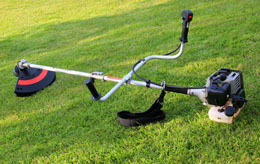
Blade length typically ranges 18–30″. Longer blades cover more area but increase weight and reduce maneuverability. 22–24″ is the sweet spot for most users.
| Feature | Two-Stroke | Four-Stroke |
|---|---|---|
| Fuel | Pre-mixed gas/oil | Straight gasoline |
| Emissions | Higher | Lower (CARB compliant) |
| Noise | Louder | Quieter |
| Torque | High RPM peak | Broader torque curve |
| Maintenance | Simpler | Oil changes needed |
| Weight | Lighter | Heavier |
Four-stroke engines (e.g., Honda GX25, Stihl 4-MIX) are increasingly popular for reduced emissions and easier fueling.
Stihl, Echo, Husqvarna, RedMax, Shindaiwa (pro/commercial); Tanaka, Poulan Pro, Craftsman (consumer). Read recent reviews and check local dealer support—service availability matters for gas equipment.
Hand-Pruning Dwarf Burning Bush for Shape and Health
Long Island Hedge Trimming: Beauty, Barriers, and Professional Precision
Long-Reach Hedge Trimmers: Safe, Efficient Garden Maintenance
Choosing the Right Hedge Trimmer: Electric, Cordless, or Gas?
How to Choose Hedge Trimmers: Types, Blades & Shafts Explained
Creating and Maintaining a Garden Hedge Maze: Design, Planting, and Long-Term Care
Planting a Garden After Removing a Cedar Hedge: Watch Soil Layers and pH
Yard Care Essentials: Lawn Watering, Fertilizing, Weed Control & Hedge Trimming
Solar-Powered Garden Fountains: Benefits, Installation, and Eco-Friendly Appeal
Electric vs. Cordless Hedge Trimmers: Which Is Right for Your Yard?
Gas-Powered Hedge Trimmers: Power, Performance, and Buying Guide
Gas String Trimmers: Power, Versatility, and Safety for Tough Yard Work
Copyright © www.100flowers.win Botanic Garden All Rights Reserved