


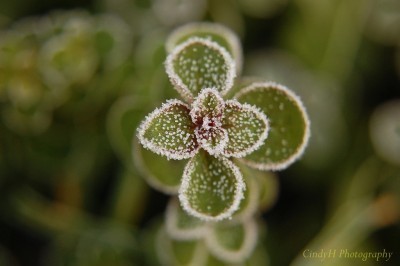
Last frost date determines safe planting times for tender crops and seedlings. Understanding its basis and limitations helps you plan spring gardening with confidence.
Last frost date is the calendar date after which a light frost (32°F/0°C) occurs only 10% of the time, based on 30-100 years of historical weather data. It varies by location—even within the same town, elevation and microclimates create differences.
Crucially, it's a probability, not a guarantee. Frost occurs after this date 1 year in 10. Use it as a planning guideline, not an absolute.
Schedule seed starting and transplanting backward from your last frost date. Cool-season crops (peas, spinach, broccoli) go out 4-6 weeks before; warm-season crops (tomatoes, peppers, basil) wait 1-2 weeks after. Always monitor forecasts and have row covers ready for unexpected cold snaps.
Late-Season Lawn Seeding in the Catskills
Understanding Spring Lawn Dormancy and Green-Up Timing
Garden Furniture That Lasts: Material, Construction & Care Masterclass
How to Keep Cut Flowers Fresh Longer
How Long Do Pansies Bloom? Tips for Extending Their Season
Frost Protection for Carnivorous Plants in Charlotte, NC (Zone 8)
Choosing the Right Garden Plants: A Strategic Approach to Design and Function
Creating an American Cottage Garden: Beauty Adapted to Your Climate
Growing Sweet Potatoes from Slips: Warmth, Sandy Soil & Curing
How to Grow Microgreens: Fresh Greens in Weeks
How to Determine Space for Outdoor Entertaining: Patio Sizing Guide
Frost Dates: Last Spring Frost and First Fall Frost for U.S. Cities
Copyright © www.100flowers.win Botanic Garden All Rights Reserved