


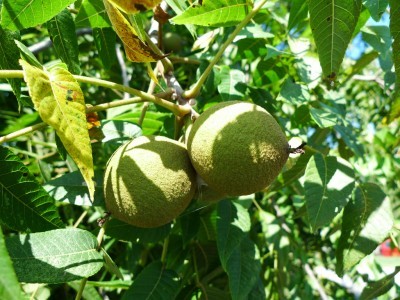
Allelopathy — chemical warfare among plants. Some species release compounds (allelochemicals) that inhibit neighbors' germination, growth, or survival. It's natural weed control — but can sabotage your garden if you don't know the players.
Chemicals leach from leaves, roots, bark, mulch. Most concentrate in fallen leaves (especially autumn). Roots exude toxins absorbed by nearby plants. Effects: reduced germination, stunted growth, wilting, death.
Allelopathy isn't all bad — some cover crops (rye, sorghum) suppress weeds naturally. Know your plants' chemical personalities.
Plant Selection for South-Facing Chalky Clay Loam Gardens
Designing a Shampoo Concentration Experiment for 7th Grade Science
Can Carnivorous Plants Grow in Garden Soil?
Groundcovers for Sarracenia Pots: Carnivorous Plants Only
Why Carnivorous Plants Don't Work for Garden Pest Control
Identifying and Treating Scale and Mealybugs on Houseplants
Root Nodules on Prayer Plants: Normal Growth or Sign of Trouble? Timing Your Repotting
Spathiphyllum and Pothos Decline After Repotting: Downsize Pots
Resources for Sudden Bougainvillea Blossom Browning: University and Botanical References
Overwintering Potted Perennials in Zone 3–4 Ontario
Companion Planting Distances: Separating Allies and Antagonists
Plants for an Organic Garden: Complete List from a Texas Gardener's 8-Year Experience
Pepper Plants Declining After Transplant: Upside‑Down Leaves & Dark Spots
Copyright © www.100flowers.win Botanic Garden All Rights Reserved