


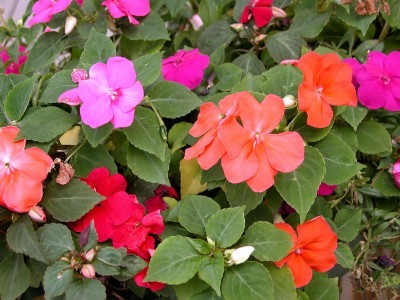
Like canaries in coal mines, certain plants signal trouble before it spreads. Indicator plants reveal soil moisture, nutrient deficits, pest arrivals, and disease outbreaks — if you know what to watch. They're a low-tech, high-value monitoring tool.
All plants respond to their environment. Sensitive species show stress (wilting, discoloration, leaf drop) earlier than tough ones. By planting or observing these "sentinels," you catch issues early.
Good indicators are common, easy to grow, have predictable responses, and clear signals. Place them strategically — near new trees, in vegetable beds, along borders. Observe daily.
Classic reference: Coincide by Don Orton — comprehensive lists organized by pest/disease/issue.
Your garden is already talking. Indicator plants help you listen.
USDA Hardiness Zones for Carnivorous Plants in San Francisco
Root Nodules on Prayer Plants: Normal Growth or Sign of Trouble? Timing Your Repotting
Southern California Patio Garden: Mediterranean Plants, Hydrogel Soil, and Afternoon Shade Strategy
The Healing Power of Gardens: Health Benefits and Creative Styles for Any Space
Tiki Garden Plants: Tropical Paradise in Your Backyard
Diseased Plant Disposal: Safe Methods to Prevent Spread in Your Garden
Butterfly Gardening: Best Plants to Attract Butterflies and Hummingbirds
Unknown Garden Volunteer: Take a Cutting to a Nursery
Designing a South-Facing Covered Patio Container Garden
Flower Garden Excellence: 4 Practices for Health and Abundance
Gardening for Mental Health: How Green Therapy Heals Mind & Body
Planting Tomatoes in the Garden: Techniques for Strong Roots and Heavy Yields
What Makes a Plant Truly Organic?
Fall Vegetable Garden: What to Plant and When for a Second Harvest
Copyright © www.100flowers.win Botanic Garden All Rights Reserved