


Begonias captivate with an astonishing diversity of leaf shapes, textures, and colors—spiraled, spotted, veined, metallic, hairy, or glossy—plus delicate flowers in white, pink, coral, and red. Rex, tuberous, cane, and rhizomatous types offer endless collector appeal.
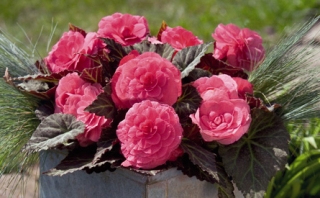
Bright, indirect light. No direct sun (burns leaves). No drafts. Summer: 20–25°C (68–77°F). Winter: ~15°C (59°F), semi-dormant.
Moderate: water when top 1–2 cm dry (every 2–3 days summer). Never wet leaves (powdery mildew risk). Soil moist, not soggy. High humidity essential—pebble tray/humidifier, no misting leaves.
Rich, well-draining: leaf mold, loam, sand. Weekly balanced fertilizer March–Oct. Winter: stop.
Winter: reduce water, cool spot, east window. Spring: prune for shape, repot every 2 years (larger pot, fresh mix). Late Feb–March: cut back stems for vigor.
Leaf cuttings (Rex), stem cuttings (cane), tuber division (tuberous), rhizome division (rhizomatous).
Powdery mildew (wet leaves/poor airflow). Botrytis (overwatering). Spider mites (dry air). Thrips/aphids on new growth.
Begonias transform shaded spaces into living tapestries of texture and color.
Grafted Cactus (Moon Cactus Type): Why Repotting Is Rarely Needed
Using Aged Leyland Cypress Chips as Mulch in UK: Safe and Beneficial
Pruning Blue Spruce: Candle Timing
Cymbidium Black Spots: Fungicide Soak & Repot Protocol
Rose Pruning, Fertilizing, and Summer Care Basics for Beginners
Agapanthus Leaves Turning Tan After Bloom
Saving a Withered Nepenthes ampullaria: Heat, Humidity, and Root Health
Dracaena Fragrans (Corn Plant) Disaster After Unnecessary Repotting
Canela Plant (Cinnamon) Yellowing After Winter Repotting
Maternity Plant (Kalanchoe daigremontiana) Care: Yellow Leaves Fix
Copyright © www.100flowers.win Botanic Garden All Rights Reserved