


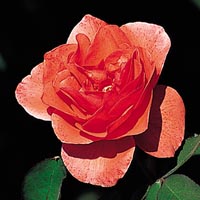
Few flowers rival the rose for fragrance, history, and sheer variety. With over 2,000 cultivars—thanks to the rose’s ready cross-breeding—gardeners can choose from antique classics and modern hybrids bred worldwide. The rose’s rich past and exciting future make it a perennial favorite.
Navigating the rose family can be daunting: Damasks, musks, gallicas, centifolias, hybrid perpetuals, Bourbons, hybrid teas, ramblers, climbers—even experts struggle with classification. Tracing a rose’s lineage is often impossible due to centuries of crossing and lost varieties. Unless you’re a dedicated rosarian, focus on picking a rose you find beautiful and that suits your garden.
Roses are broadly grouped as old (pre-1867, before the first hybrid tea) and modern. Old roses include species roses, albas, Bourbons, moss roses, Chinas, Noisettes, Portlands, rugosas, Scotch roses, centifolias, hybrid pimpinellifolias, damasks, gallicas, hybrid perpetuals, teas, and musks. Modern categories encompass hybrid teas, floribundas, polyanthas, grandifloras, miniatures, modern shrub and landscape roses, climbers, ramblers, and rugosa hybrids.
Why choose old over modern? Many old roses offer superior fragrance, complex blooms, better disease resistance, easier care, and intriguing forms. Modern roses counter with all-season bloom, a wider color range, and some with exceptional cold hardiness and disease resistance.
With thousands of roses available, five key considerations narrow the field:
Know the plant’s mature size and shape to place it well. Hybrid teas and floribundas reach 2–3 feet with coarse forms but bloom heavily. Hybrid teas bear large single blooms on long, stiff stems; floribundas produce smaller clusters on less rigid stems. Miniatures stay 10–36 inches tall; dwarfs reach 2 feet with clustered flowers. Shrub roses (old and modern) and groundcover types are large and leafy. Climbers and ramblers grow 7–30 feet and need support. Standards are trained into tree-like forms with a rounded top.
Northern gardeners must check the rose’s hardiness zone; southern gardeners should verify heat/humidity tolerance. Buy from local or regional growers who know how varieties perform in your area.
Many old roses bloom once a year (e.g., three weeks in June). Decide if you want a single spectacular flush or continuous summer color—this choice alone eliminates many options.
Choosing disease-resistant varieties is the single best way to avoid chemicals. Many old roses have natural resistance; modern breeding programs increasingly prioritize it. Hybrid teas are notoriously disease-prone and attract pests, often requiring chemical sprays.
If you cut roses for arrangements, stem length matters. Only hybrid teas produce the long, stiff stems of florist roses; all others have shorter, weaker stems for a more casual, some say more beautiful, vase presence.
Roses are particular but rewarding. Here’s what they need:
6–8 hours of direct sun daily for maximum blooms and vigor. In hot climates, provide afternoon shade. In cool climates, a south- or west-facing wall or fence adds warmth to boost flowering and reduce winter damage.
Good drainage and rich, moisture-retentive soil with pH 6.5–7.0. Heavy, wet soil? Use raised beds. Amend with compost for loose texture and high organic matter. For pH correction, see Building Healthy Soil.
Roses need more water than most landscape plants, especially in their first year. Drip irrigation is ideal—it targets the root zone and keeps foliage dry to minimize disease. A thick organic mulch conserves moisture, suppresses weeds, encourages root growth, and adds organic matter as it breaks down.
Roses are heavy feeders. Provide steady nitrogen, phosphorus, potassium at roughly a 5-8-5 ratio via liquid or granular fertilizers. Regular applications of compost, rotted manure, fish emulsion, and seaweed extracts supply nutrients, moderate pH, and stimulate soil life. Rose growers also favor greensand, black rock phosphate, and alfalfa meal.
Remove dead, weak, or diseased canes to improve air circulation and reduce fungus. Pruning stimulates new growth and shapes the plant. Deadhead spent flowers during the season to encourage rebloom. Use bypass (scissor-action) pruners for clean cuts.
Ideally, choose varieties hardy to your zone with no extra protection. In cold climates, hybrid teas, floribundas, and smaller shrub roses benefit from insulation. After several hard freezes, mound 12 inches of soil or mulch over the base and cover canes with straw, leaves, pine boughs, or foam. Climbers can be wrapped on supports or laid down and covered. In severe zones, hybrid teas are sometimes partially dug up, laid down, and buried.
Prevention is best: start with resistant varieties, keep plants healthy (well-fed, well-watered), ensure good air circulation, keep foliage dry, and remove diseased leaves and spent flowers. For persistent pests, use botanical insecticides (sabadilla, neem, rotenone, pyrethrins) sparingly—they’re broad-spectrum and affect beneficial insects too. For caterpillars and Japanese beetle grubs, apply Grub Guard or Milky Spore (Bacillus popilliae). Insecticidal soaps like Rose Rx control scale, spider mites, and aphids. See the Pest and Disease Finder for more.
Rescuing Overwatered Potted Roses: The Cut-Back & Dry-Out Protocol
Comprehensive Rose Care: Watering, Pruning, Black Spot, and Size Control
Rose Rosette Disease: 80+ Roses Dying in Louisiana—Act Now
Why Your Roses Aren't Blooming: Troubleshooting Tips for High-Altitude Gardens
Saving a Failing Tree Rose: Convert to Rugosa Bush
JFK Rose Turned Red—Rootstock Takeover
Growing Climbing Roses in Pots on a Patio: Best Varieties and Care
Growing Roses in Kihei, Maui: Heat, Soil, and Variety Selection
Identifying Unknown Roses: Propagation Over Identification
Starting a Container Rose Garden in Boise, Idaho
Propagating Roses from Cuttings – Not by Division
Why Roses Fail in Coal Ash and Pine Tree Areas
Why Roses Turn Into Red Climbers – Reversion Explained
Rust, Black Spot, and Aphids on Climbing Roses in San Ramon, CA
Copyright © www.100flowers.win Botanic Garden All Rights Reserved