


1. Home
  2. Question and Answer
  3. Houseplants
  4. Garden Articles
  5. Most Popular Plants
  6. Plant Nutrition

Tulips: Planting Bulbs for Spring Color from Early to Late Season

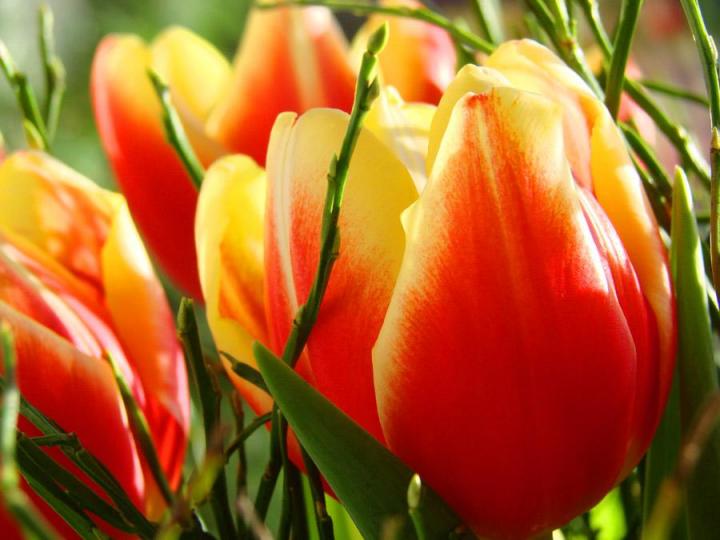
A winter's sun on Dutch tulips.

See how to grow tulips!

Karen Oudeman

Where to buy tulip bulbs: Burpee Gardening

Long live the tulip! Available in virtually all colors, including near-black purple. By planting a selection of varieties of this perennial, enjoy beauty from early spring through early summer.

Tulips thrive in dry summers and cold winters. Bright, upright flowers may be single/double, shaped as cups, bowls, goblets, or complex forms. Excellent in beds/borders; many force well indoors; most are superb cut flowers.

Although perennial, many gardeners treat tulips as annuals, replanting yearly. North American climate/soil can't replicate their Anatolian/southern Russian origins. Western mountain regions come closest.

Planting Tulip Bulbs

  • Nature never intended bulbs to sit above ground—plant promptly after purchase.
  • Plant fall, 6–8 weeks before hard frost, when soils <60°F. Timing: early autumn (Zone 4) to late autumn (warmer zones).
  • Southern mild winters: buy pre-chilled bulbs or chill 12 weeks in refrigerator before planting.
  • Full or afternoon sun. Zones 7–8: shady site or morning sun only.
  • All tulips hate excessive moisture. Ideal soil: well-drained, neutral to slightly acidic, fertile, dry/sandy.
  • Rainy summers, irrigation, wet soil = death to tulips. Never deliberately water bulb beds. Wet soil → fungus/disease/rot. Add shredded pine bark, sand for drainage.
  • Space bulbs 4–6 inches apart; choose plot accordingly.
  • Deter mice/moles: holly/thorny leaves in holes, or kitty litter/crushed gravel.
  • Severe rodent problem? Plant bulbs in wire cages.
  • Plant deep—at least 8 inches from bulb base. Dig deeper for drainage or use raised beds. Bigger bulbs = deeper holes.
  • Set pointy end up. Cover and firm soil.
  • Water right after planting. They hate wet feet but need water to trigger growth.
  • Perennial tulips: feed at fall planting. Bulbs contain nutrients for one year. Use organic material, compost, or balanced time-release bulb food.
  • Late planting? Use these tips—don't lose hope.

Care

  • Water during dry fall spells; otherwise, don't water.
  • Compost annually.
  • Deadhead after flowering.
  • Allow foliage to yellow ~6 weeks post-bloom before removing.
  • Species tulip bulbs may stay in ground years; others lift annually after leaves die, ripen in warm, dry place.
  • Replant largest bulbs; smaller ones in containers in bulb frame (equal parts loam, leaf mold, sharp sand). In growth: water moderately, balanced liquid fertilizer weekly 3–4 weeks post-bloom; keep dry summer; repot annually.

Pests and Diseases

  • Gray mold
  • Slugs
  • Snails
  • Aphids
  • Nematodes
  • Bulb rot
  • Squirrels especially love tulip bulbs.

Recommended Varieties

Tulip flowers: single, double, ruffled, fringed, lily-shaped by variety.

Wild/Species tulips: Small (3–8 inches), tougher than hybrids. Bloom in South; best as color carpets. Favorite: 'Lilac Wonder'.

Triumph hybrids: Classic single cup-shape, largest tulip group. Top varieties:

  • 'Cracker tulip' – Midspring; purple, pink, lilac petals.
  • 'Ile de France' – Midseason; intense red on 20-inch stems.
  • 'Calgary' – Midspring; snowy-white with blue-green foliage.

So many beautiful varieties—explore catalogs and experiment!

Wit & Wisdom

  • Dig a tulip bulb in midsummer—it's not the one you planted. It's her daughter. Even while blooming, the bulb divides for the next generation.
  • Longest vase life: cut stems diagonally, wrap upper ⅔ in newspaper funnel, stand in cool water 1–2 hrs. Recut; lasts 1+ week.
  • 17th-century Holland: tulip mania made a handful of bulbs worth ~$44,000.
  • Red tulips = declaration of love. Explore more flower symbolism.

Copyright © www.100flowers.win Botanic Garden All Rights Reserved