
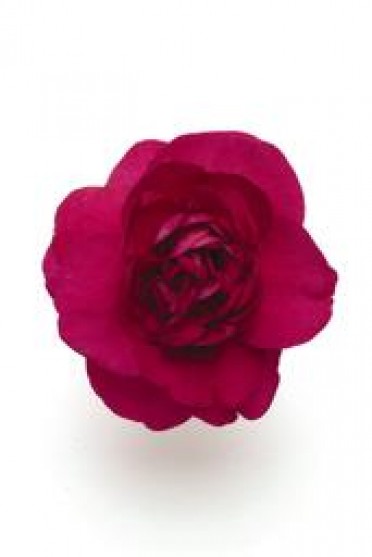

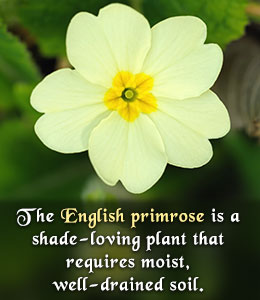
Primrose (Primula) Growing Guide: Early Spring Color for Shade Gardens
Primrose (Primula vulgaris, English primrose) is a beloved herbaceous perennial that heralds spring with vibrant blooms. Native to European woodlands, it forms a basal rosette of wrinkled green leaves and bears clusters

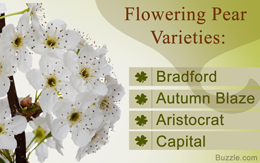
Flowering Pear (Pyrus calleryana) Varieties: Ornamental Trees for Every Yard
Flowering pear (Callery pear, Pyrus calleryana) is a fast-growing, deciduous ornamental from China and Vietnam. Prized for its pyramidal/oval shape, early spring clouds of white flowers, and brilliant fall foliage, it fi

Redbud Tree (Cercis) Guide: Four-Season Beauty for Small Landscapes
Redbud (Cercis spp.) is a small deciduous tree in the pea family (Fabaceae) celebrated for its early spring display of fragrant, pea-like flowers on bare branches—before most other trees bloom. Heart-shaped leaves emerge
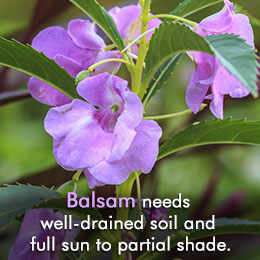
Balsam (Impatiens balsamina) Growing Guide: Tropical Impatiens for Sun and Shade
Balsam (Impatiens balsamina) is a tropical annual impatiens that thrives in full sun—unlike common shade-loving impatiens. Native to Southeast Asia, it grows 20–70 cm tall with soft, fleshy stems, spirally arranged point
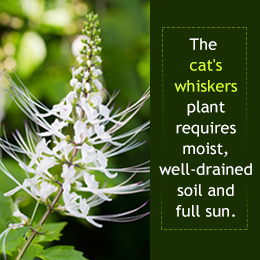
Cat's Whiskers (Orthosiphon aristatus) Care: Tropical Beauty with Medicinal Tea
Cat’s whiskers (Orthosiphon aristatus) is a tropical perennial shrub from Southeast Asia, southern China, and northern Australia. Its glossy, serrated leaves and spikes of white or mauve flowers with long, whisker-like s
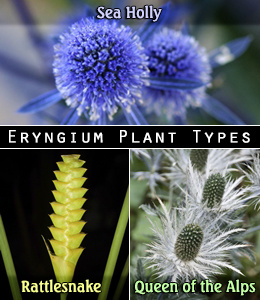
Eryngium (Sea Holly) Guide: Spiky, Architectural Blooms for Gardens
Eryngium (sea holly, eryngo) is a striking genus in the Apiaceae (parsley) family, native primarily to South America. Its thistle-like, spiny leaves and dome-shaped, metallic-blue or silvery-white flower heads add bold t
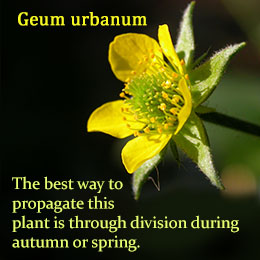
Geum (Avens) Growing Guide: Perennial Color for Borders and Containers
Geum (avens) is a genus of ~50 rhizomatous herbaceous perennials in the rose family (Rosaceae). Hardy in USDA zones 4–9, they form basal rosettes of green foliage and send up wiry, branching stems bearing cheerful, cup-s

Ragweed vs. Goldenrod: How to Tell the Difference and Stop Allergies
Every fall, allergy sufferers blame goldenrod for their misery—but the real culprit is ragweed. Both belong to the aster family (Asteraceae) and bloom simultaneously, but goldenrod’s showy yellow flowers take the fall fo
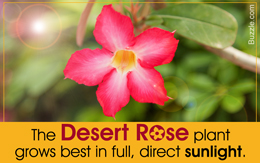
Desert Rose (Adenium obesum) Care: Succulent Beauty with Vibrant Blooms
The desert rose (Adenium obesum) is a stunning succulent perennial native to arid Africa and Arabia. Despite its name, it belongs to the dogbane family (Apocynaceae), not roses. It features a thick, swollen caudex (stem)

18 Sedum (Stonecrop) Varieties: Drought-Tolerant Succulents for Every Garden
Sedums (stonecrops) are a vast genus of leaf succulents in the Crassulaceae family, native to the Northern Hemisphere. Their fleshy foliage stores water, making them exceptionally drought-tolerant, low-maintenance, and s

Lantana Plant Guide: Colorful Blooms, Invasive Risks, and Uses
Lantana (Lantana camara and hybrids) is a fast-growing, evergreen shrub with multicolored flower clusters (umbels) that change color as they mature—creating a kaleidoscope of red, orange, yellow, pink, and white. Blooms
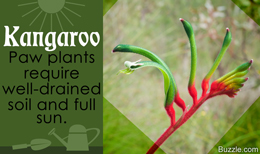
Kangaroo Paw (Anigozanthos) Care: Growing Exotic Australian Blooms
Kangaroo paw (Anigozanthos spp.) is a striking Australian perennial with unique, tubular flowers split into six claw-like tips, covered in velvety hairs. Colors range from gold, red, pink, green, to orange. Sword-like le
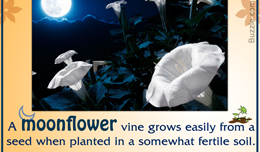
Moonflower Vine (Ipomoea alba) Growing Guide: Night-Blooming Fragrance
Moonflower (Ipomoea alba) is a magical nocturnal vine native to southern Florida and the American tropics. Its large, trumpet-shaped white flowers unfurl at dusk, perfume the night air, and close by morning. The blooms r
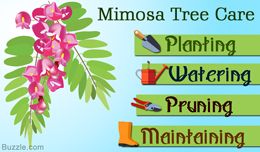
Mimosa Tree (Silk Tree) Care: Growing Pink Powderpuff Blooms
The mimosa tree (Albizia julibrissin), also called silk tree or powderpuff tree, is a fast-growing deciduous ornamental native to the Middle East and Asia. Introduced to the U.S. in 1745, it dazzles with fragrant, pink,
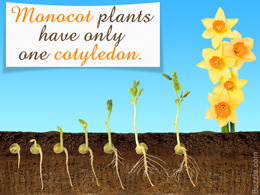
Monocot Characteristics: Identifying Monocotyledonous Plants
Monocotyledons (monocots) are one of two major classes of flowering plants (angiosperms), distinguished by having a single cotyledon (seed leaf) in the embryo. Comprising about one-quarter of all flowering plant species,
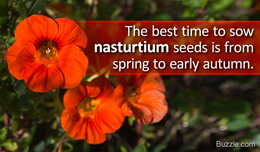
Nasturtium Growing Guide: Edible Flowers and Easy Care
Nasturtiums (Tropaeolum majus) are cheerful, low-maintenance annuals (perennial in zones 8–11) with umbrella-shaped leaves and vibrant flowers in red, orange, yellow, and pink. Both flowers and leaves are edible, adding
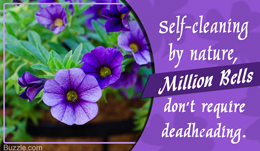
Million Bells (Calibrachoa) Care: Profuse Blooms for Baskets and Beds
Million Bells (Calibrachoa) are trailing or mounding tender perennials grown as annuals in most climates. Developed by Japan’s Suntory Group from South American species, they bloom prolifically from spring to frost in a
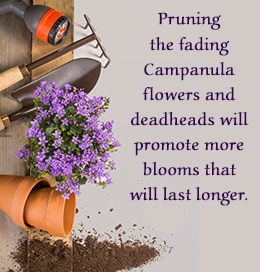
Campanula (Bellflower) Care: Growing Beautiful Bell-Shaped Blooms
Campanulas, commonly called bellflowers, harebells, or Canterbury bells, are a diverse genus of annuals, biennials, and perennials prized for their charming bell-, star-, cup-, and saucer-shaped flowers in shades of blue
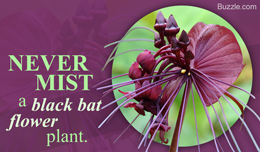
Black Bat Flower (Tacca chantrieri) Care: Growing Exotic Bat-Like Blooms
The black bat flower (Tacca chantrieri) is a striking tropical perennial native to Southeast Asia. Its bizarre, bat-shaped inflorescence—complete with wing-like black bracts and long, whisker-like filaments—makes it a co
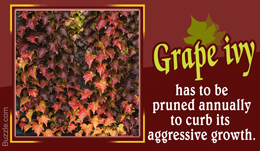
Grape Ivy (Boston Ivy) Care: Growing a Vigorous Climbing Vine
Grape ivy (Parthenocissus tricuspidata), also called Boston ivy or Japanese creeper, is a woody vine from the grape family (Vitaceae) native to Japan, China, and Korea. Though its blue berries are toxic to humans and pet
Copyright © www.100flowers.win Botanic Garden All Rights Reserved