


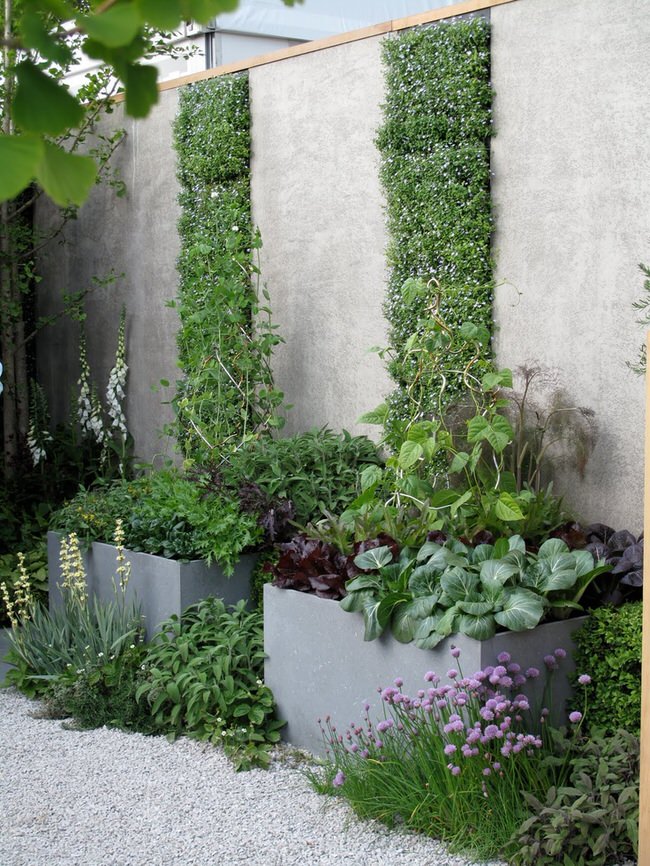
Edible gardens have a long, rich history. Traditional European cottage gardens blended vegetables, herbs, and flowers out of necessity, making the most of limited space. That charming, practical style endures today because it satisfies both our desire for sustenance and our love of beauty. In recent years, the rise of sustainable living and DIY garden design has sparked a renewed interest in ornamental edibles—especially as yards shrink and more people want to grow at least some of their own food.
Still skeptical that an edible garden can be gorgeous? The following images prove otherwise.
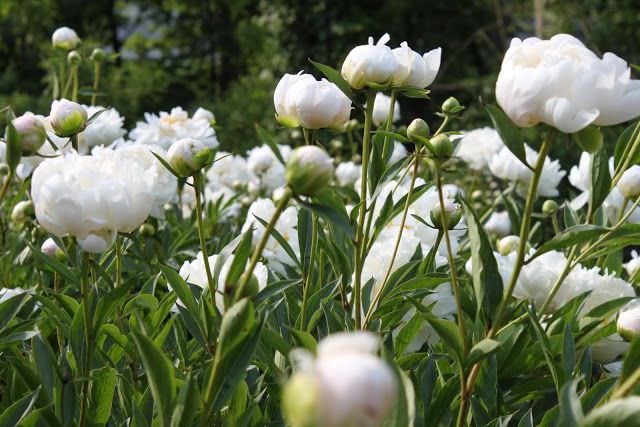
Cabbage and tulips – a classic spring pairing.
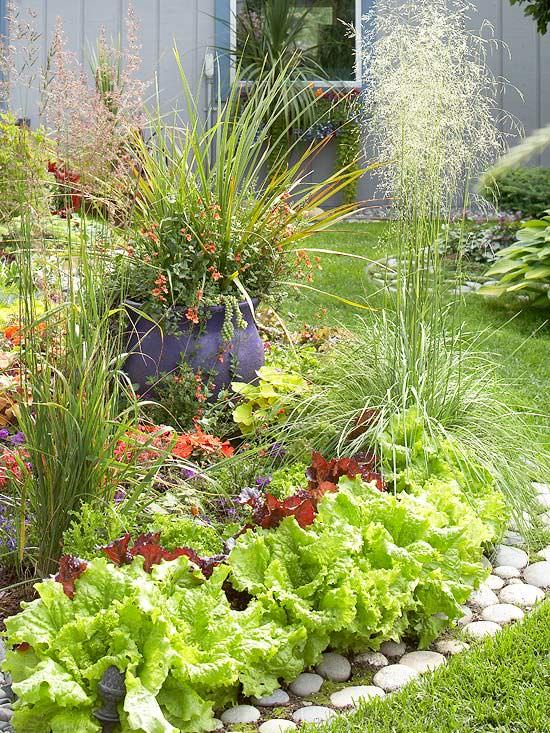
A crisp lettuce border defines a pathway.
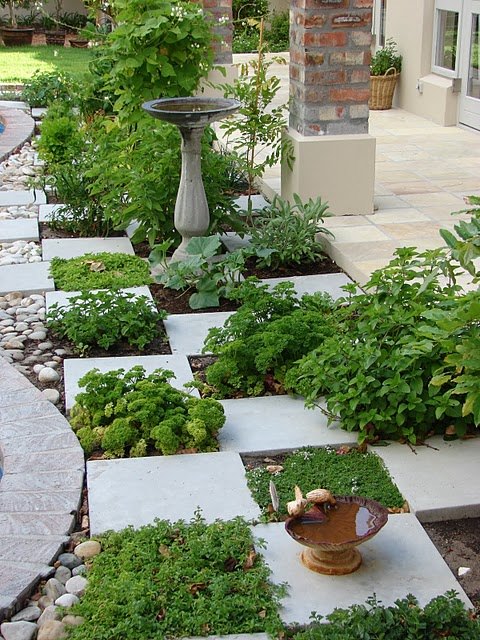
Herbs arranged in a formal knot garden.
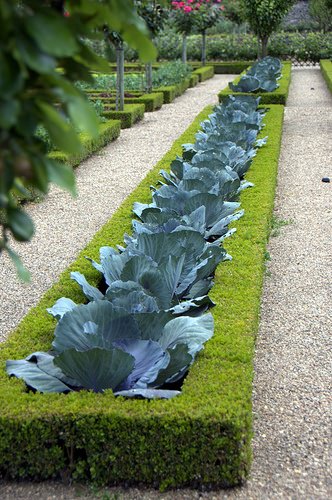
Cabbage nestled in a boxwood hedge.
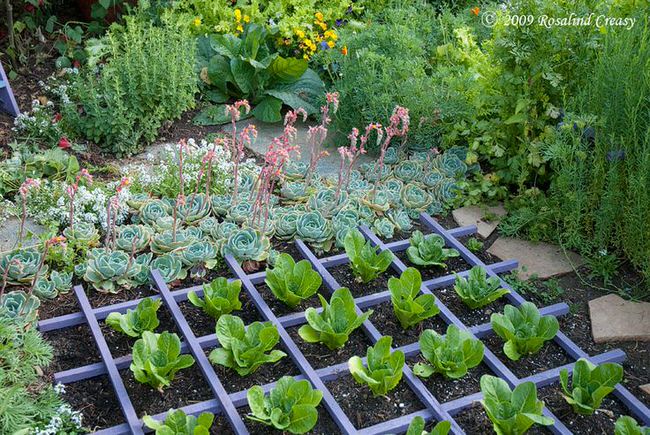
A mixed herb border by edible-landscape pioneer Rosalind Creasy.
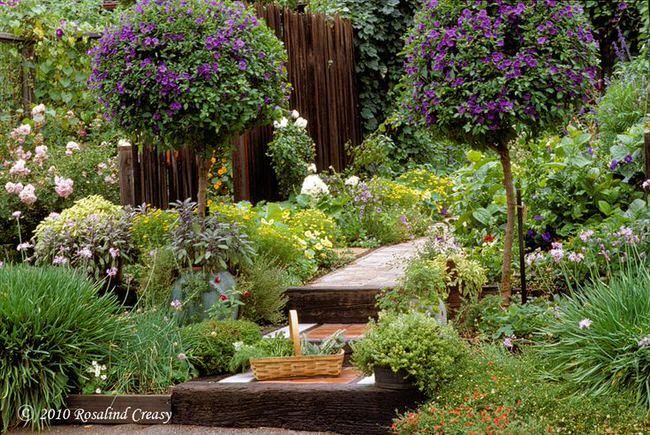
With thoughtful plant choices and a designer’s eye, your vegetable patch can be the most beautiful bed in the garden.
Pruning Ornamental Shrubs: Tools, Timing & Techniques for Health and Beauty
Creating a Beautiful Water Garden: Design, Plants, and Maintenance
Rock Garden Design: Creating Naturalistic Stone Landscapes
Bottle Gardens: Self-Sustaining Miniature Worlds
Miniature Gardens: Tiny Complete Worlds in Any Container
Natural Water Gardens: Working with Nature's Design
Vertical Gardens: Growing Up for Maximum Yield in Minimum Space
Edible Lavender: Best Culinary Varieties and Pet Safety
All Culinary Lavender Varieties Are Edible: Debunking the "Gray vs. Purple" Myth
Ornamental Kale: Cool-Season Color for Containers and Beds
Ornamental Pepper: Festive Fruit for Indoor and Outdoor Displays
Tomato Container Gardens: Grow Fresh Tomatoes Anywhere
Rain Gardens Workshop: Green Infrastructure for Healthy Waterways
Urban Roots and Grassroots Gardens Partner for Community Gardening Workshops and Grants
Copyright © www.100flowers.win Botanic Garden All Rights Reserved