


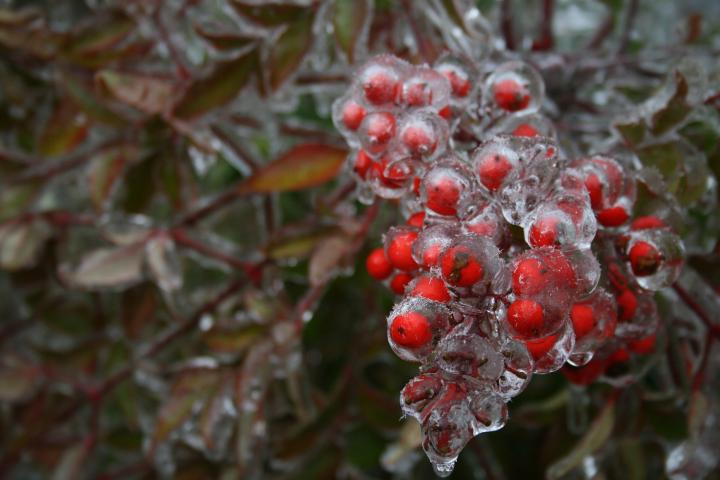
Contrary to popular belief, the winter solstice (shortest day) isn't necessarily the coldest. NOAA maps reveal distinct regional patterns: the West cools earliest (December), the East peaks in January, and the Great Lakes region often hits its coldest in February.
Snow cover reflects sunlight, delaying warming in mountains and snowy regions like the Midwest and Northeast, keeping them cooling through January.
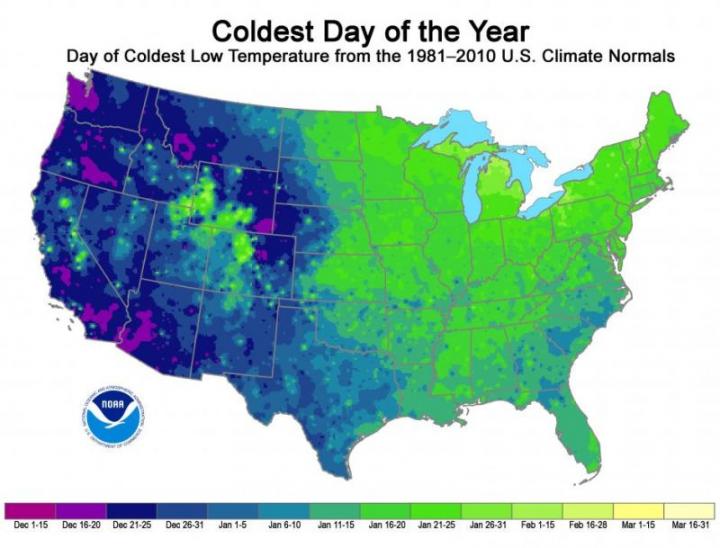
Humidity – moist land cools slower than dry land, so the humid South experiences a later cold peak.
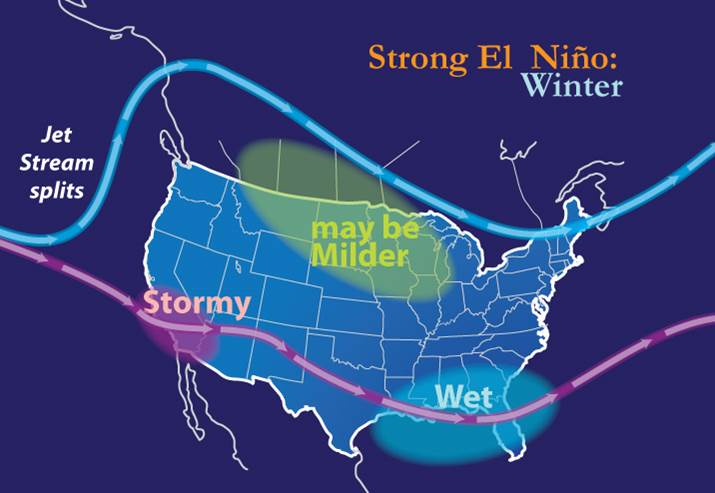
Strong El Niño years warm northern states and bring colder, wetter conditions to the South—sometimes even frost and snow to the Deep South. This year's El Niño adds extra complexity to winter forecasts.
By Evelyn Browning Garriss and James J. Garriss
Daylily Deadheading: Maximizing Next Year's Blooms
Winter Greenhouse Gardening: What to Grow and How to Succeed
Why Artificial Grass Is Replacing Natural Lawns in Challenging Climates
How to Prepare Your Garden for Winter: A Step-by-Step Autumn Checklist
Winterizing Garden Chrysanthemums: Proven Protection Methods
Winter Birdbath Care: Keeping Water Accessible for Birds in Freezing Weather
Plants of the Winter Solstice: Ancient Symbols and Modern Traditions
Dividing Dormant Sarracenia in Winter: Possible with Precautions
Sarracenia Winter Appearance: Why Your Pitcher Plants Look the Way They Do
Winter Shipping of Lowland Nepenthes to Portland: Timing and Packaging
How to Overwinter Geraniums Indoors Successfully
Fall Cleanup: What to Do with Dead Perennials and Annuals — Leave, Cut, or Dig?
Copyright © www.100flowers.win Botanic Garden All Rights Reserved