


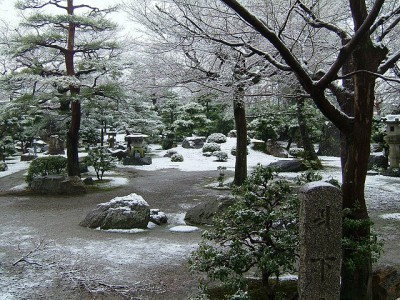
Most gardeners design for spring, summer, and fall color, overlooking winter. But a garden designed for winter interest becomes a year-round source of peace and beauty. Your winter garden isn't dead—it's merely sleeping, and with planning, it can delight 365 days a year.
Winter interest comes primarily from garden architecture: plant stems, branches, and their winter silhouettes. Ornamental grasses are an easy addition—their cream-colored stalks and frothy seed heads resemble fountains rising in the winter air. Hydrangeas left unpruned offer faded flowers that look like oversized snowflakes, especially when frosted.
Bright winter color comes from berries: hollies, heavenly bamboo, barberry, and firethorn add splashes of red and orange. Seed heads from purple coneflower, sunflowers, and sedum polka-dot the winter structure. These features also attract birds—cardinals, blue jays, and others—bringing life to the dormant landscape. Bird feeders help too.
Trees provide striking winter architecture. Bare branches against icy skies resemble ink paintings—a quality prized in Japanese garden design. Bark adds texture: paperbark maple and birch trees peel to reveal colorful trunk collages. Evergreens—pines, cedars, and hundreds of conifer varieties—offer architectural forms like columns, pyramids, and frosted windows, dominating winter before receding in spring.
With these elements, your sleeping garden becomes a living landscape. Gardening for winter interest is fun, rewarding, and keeps you connected to nature year-round.
Winterizing Your Lawn and Garden: Essential Autumn Tasks
Winter Garden Care: Essential Tasks for a Better Spring
Best Trees for Winter Landscape Interest: Bark, Berries, and Structure
4 Design Strategies for a Wildlife-Rich Small Garden
Beyond Plants: Creating Focal Points for a Wonderful Winter Garden
Preparing Your Vegetable Garden for Winter
Designing a Beautiful Flower Garden: Structure, Color, and Seasonal Interest
Plant a Winter Garden: Cold-Season Vegetables for Fresh Harvests
Gardening Through the Golden Years: Adapting Your Passion for Lifelong Enjoyment
Gardening for Beginners: Vegetable, Flower, and Organic Basics
Designing With Conifers: Layering Texture for Year-Round Garden Interest
Copyright © www.100flowers.win Botanic Garden All Rights Reserved