


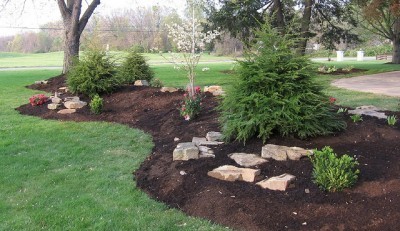
A berm is a sloped mound of soil—often with fill material (sand, debris, rubble) at its core—that redirects drainage, adds elevation, and creates planting opportunities. Unlike island beds (floating in lawn for aesthetics), berms integrate naturally into the landscape for functional and visual purposes.
Berms enhance landscapes naturally when designed with the land's flow.
Reviving Old Furniture: A Budget-Friendly Makeover Guide
Creating a Cascade Bonsai: Art, Technique, and Patience
Making Up with Flowers: How a Simple Bouquet Healed a Relationship Rift
How to Build an Ant Farm: Complete Guide for Kids, Classrooms & Hobbyists
Building a Garden Pond: Planning, Depth & Location
How to Make Organic Compost: Ingredients, Ratios, Maintenance & Troubleshooting
How to Make a Bottle Tree: Creative Garden Art
Build a Simple Wire Compost Bin in 15 Minutes for Small-Space Composting
Keyhole Garden Beds: Build a Productive, Accessible Raised Bed System
How to Make a Living Kale Wreath: Autumn Color for Your Door
Create Charming Hollyhock Flower Dolls: A Classic Spring Craft
How to Make Unique Garden Lanterns: 7 DIY Projects for Magical Evening Lighting
Copyright © www.100flowers.win Botanic Garden All Rights Reserved