


Each autumn brings an ever-expanding parade of ornamental squash and pumpkins to farmers' markets and produce aisles. Beyond their culinary versatility, these winter squashes double as stunning seasonal decor—long-lasting thanks to their hard rinds, and many transition beautifully from centerpiece to dinner plate.
At just 4-6 inches wide, varieties like 'Baby Bear', 'Baby Boo', and 'Jack Be Little' charm children and adults alike. Available in solids and stripes, they're too small for eating but perfect for crafts and tabletop displays.
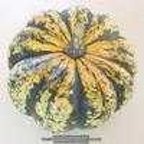
True to its name, this acorn-type squash celebrates color with banana-yellow skin splashed in bright orange and green. Its nutty, sweet flesh shines when baked or steamed.
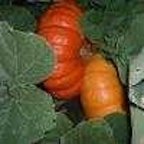
This French heirloom's deep orange-red, flattened shape inspired the fairy-tale coach. Broader and squatter than jack-o'-lantern types, it's as delicious as it is decorative.
Another French heirloom, this rustic, deeply ribbed beauty matures to a rich mahogany. The pronounced ribs make it easy to slice into wedges—a common presentation in French markets.
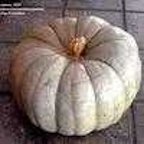
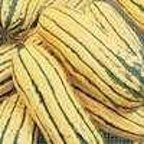
Oblong with cream-to-gold skin striped in olive green, delicata (also called peanut or Bohemian squash) has thinner skin than most winter squash. Its orange-yellow flesh tastes remarkably like sweet potato.
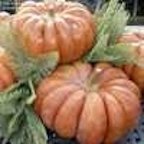
Named for its New Zealand hometown, this heirloom stuns with blue-green skin contrasting brilliant orange flesh. Excellent flavor and a striking choice for an unconventional jack-o'-lantern.
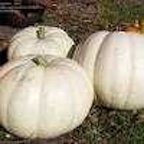
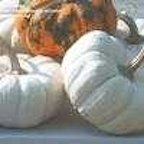
At 8-10 inches, this ghostly white pumpkin with orange flesh is a decorator's dream—paint it, carve it, or display it as-is. Keep it out of direct sun to preserve the pale color.
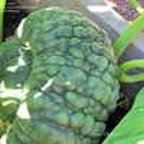
The "sea pumpkin" of Chioggia, Italy, this 10-pound heirloom features a dusty blue-green, bumpy rind and deep yellow flesh prized for flavor.
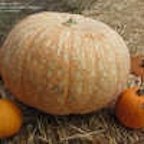
With orange stripes and speckles on a cream background, this variety resembles a "pickled" texture—perfect for an offbeat Halloween display among traditional orange pumpkins.
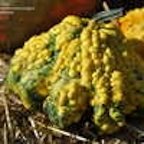
Endless shapes, colors, and textures—warty, winged, bottle-shaped, swan-necked. Though inedible, they have centuries of use as instruments, birdhouses, dippers, and crafts. Small, vivid varieties excel in wreaths and tabletop arrangements.
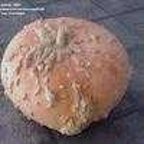
This French heirloom's salmon skin develops peanut-shell-like warts (corky eruptions) that can cover the entire fruit. A conversation piece that's also delicious eating.
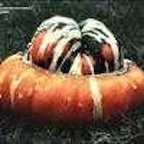
Named for its distinctive turban-like cap, this squash blends orange, green, and white. The hollowed cap serves as a natural tureen for soup, or leave it whole as a spectacular centerpiece.
Photo Credits: Fairytale pumpkin (large) by WUVIE; Jack Be Little by Kim_M; Carnival by Xenomorf; Cinderella by Lilypon; Delicata by Farmerdill; Fairytale by WUVIE; 'Gremlins' gourd by mgarr; Jarrahdale by patrob; Lumina by DawninTx; Marina di Chioggia by OleDi; One Too Many by Thagirion; Peanut by patrob; Turk's Turban by kennedyh.
Woody vs. Non-Woody Plants: Key Differences
Water Types for Plants: Clean, Salt-Free Is Best
Temporary Privacy Screen Plants for Chain-Link Fence in Queens, NY
Heirloom vs Hybrid Pest Resistance: Soil Health & Row Covers Win
Pruning and Training Container Plants: Shape, Health, and Ornamental Effects
Gardening for Relaxation: Cultivate Calm Alongside Crops
Artificial Plants & Trees: Effortless Landscape Beauty for Discerning Homeowners
Mystery Vine: Pumpkin, Squash, or Gourd? Identify Before Eating
Pumpkin or Squash? Identifying Mystery Seedlings Before Fruit Set
The Language of Flowers and Plants: Color, Symbolism, and Placement for Positive Energy
Growing Plants with Kids: Seed Starting and Marbled Pot Crafts
How Companion Planting Works: Nature’s Partnerships for a Healthier Garden
New Generation Artificial Plants: Botanical Accuracy Meets Modern Materials
Cultivating Achimenes and Aconitum: A Guide to Greenhouse Gems and Garden Perennials
Copyright © www.100flowers.win Botanic Garden All Rights Reserved