


Those massive amaryllis bulbs that erupt into giant blooms are winter staples. But growing them from seed? That's a multi-year adventure filled with genetic surprises—perfect for gardeners who love a long-term project.
Offsets (bulblets) and purchased bulbs bloom faster. But seed-grown plants offer the thrill of creating something new. Hybridizing your own crosses yields unpredictable combinations—sometimes replicating a parent's best traits, sometimes producing entirely novel flowers. Self-pollinated seeds won't come true, but a few may closely resemble the parent. For rare or hard-to-find varieties, seed may be the only propagation route.
Cross-pollination: Choose a newly opened flower on the seed parent. Remove its anthers (pollen-bearing structures) to prevent selfing. Transfer fluffy golden pollen from the pollen parent's anther to the seed parent's stigma (the trilobed tip of the pistil) using a brush, cotton swab, or the anther itself.
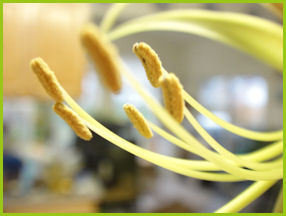
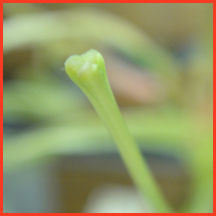
Storing pollen: If blooms don't overlap, refrigerate anthers in a small container for a few days, or freeze for long-term storage.
Self-pollination: Dab a flower's own pollen onto its stigma. This reshuffles the hybrid's genetics, potentially yielding interesting variants.
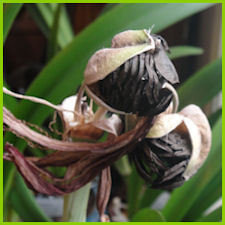
Successful pollination swells the ovary at the flower base. After the petals drop, the pod matures over several weeks, eventually splitting to reveal flat, black, papery seeds. Rub them between your fingers to feel the tiny true seeds inside the papery wings.
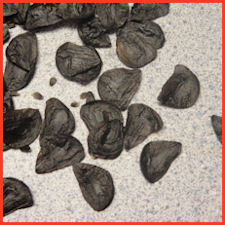
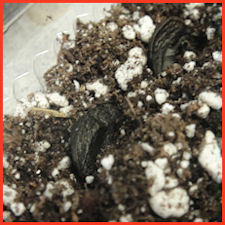
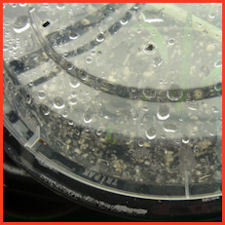
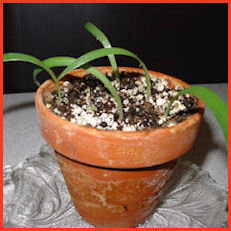
Press seeds into moist, sterile seed-starting mix in a vented, domed tray (a salad container with holes works). Amaryllis are tropical; a heat mat speeds germination. Keep moist under bright light. Seedlings emerge as single grass-like blades. After a few months, pot them individually—tiny bulbs are already forming at the base.
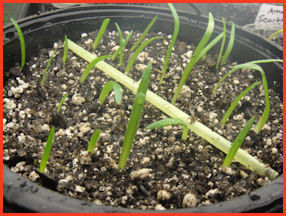
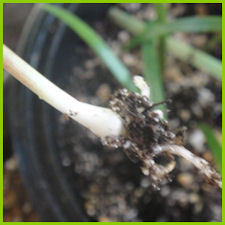
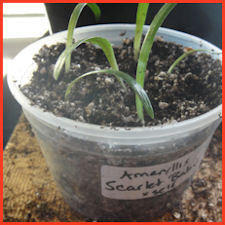

Grow under lights, transplanting to larger pots as needed. Cluster several in one pot to save space. By the second year, they may summer outdoors in a tropical bed. Bloom typically occurs in 3–5 years.
The wait is long, but the first homegrown bloom—unique, perhaps fragrant, possibly a color combination never seen before—makes every year worthwhile. For deeper discussion, visit the Dave's Garden Amaryllis and Hippeastrum forum. Bulb sources are listed in the Garden Watchdog.
Photos by Jill M. Nicolaus. Hover over images for captions.
Rose Hybridizing in North Dakota: Books, Climate & Community
Growing Vegetables from Seed: Complete Indoor Starting Guide
Growing Asparagus from Seed: Economy, Disease Avoidance, and the Male vs. Female Debate
Growing Echinacea from Seed: A Complete Guide to Native Coneflowers
Growing Aquatic Plants from Seed: Techniques for Waterlilies and Marginals
Growing Onions from Seed Indoors: Varieties, Day Length, and Tips
Should You Pinch Catalpa Tree Seedlings?
Growing Wisteria from Seed: Patience Required
Growing Peppers from Store-Bought Seeds: What to Expect
Nectarine Seed Starting: Step-by-Step for Washington State
Growing Pineapple from Seed: Challenges and Methods
Germinating Solanum crispum (Blue Potato Vine) Seeds
Starting Perennials from Seed: Realistic Expectations for Home Gardeners
Copyright © www.100flowers.win Botanic Garden All Rights Reserved