


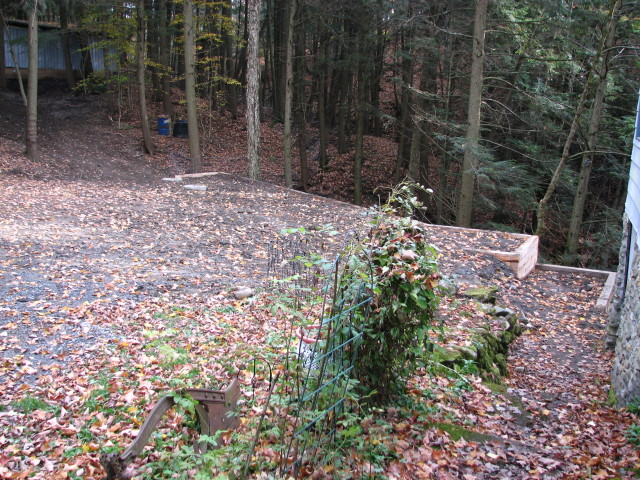
After having sewage and cribbing work done last fall, you're left with an area dug to about 20 feet deep. Now you want to add soil for ground cover and a garden. The big questions: what type of soil should you order—black earth or topsoil—and how much do you need?
If you're creating an elevated bed, your local bulk soil supplier will likely have a garden mix that works well. For non-elevated areas, the key is to avoid layering different soil types. Spread topsoil over the area and till it into your existing soil to create a uniform blend. Layers of unlike soil cause water problems, inhibit deep root growth, and often lead to stress during temperature extremes.
The amount of soil depends on the size of the area and the desired depth. Your soil company can calculate the exact volume if you provide the dimensions. They'll factor in length, width, and depth to give you a cubic yard estimate.
By blending new soil with the existing subsoil, you'll ensure better drainage, root penetration, and long-term plant health.
Using Wood Ash in Vegetable Gardens
Composting Bug-Infested Dry Pasta
Best Soil Amendment for NW Florida Clay/Sand
Creating Planting Beds: Why Newspaper Layers Fail and Better Methods
Moss on Soil Under Pines: Compaction Indicator, Not a Killer
How Many Bags of Topsoil for a 204 sq ft Flower Bed? Better: Buy Bulk Blend
Leveling a Rolling Backyard: Soil Selection and Spreading Techniques
Container Grapefruit Tree Care: Fertilizing, Overwintering, and Repotting
High-Iron Well Water and Plant Failures: Iron Toxicity vs. Pythium Root Rot in Neutral pH Soil
Why Raised Beds Filled Only with Manure Fail
Limestone House Foundation: Does It Affect Soil pH?
Designing a Butterfly-Friendly Perennial Garden in Northern South Carolina Clay Soil
Copyright © www.100flowers.win Botanic Garden All Rights Reserved