


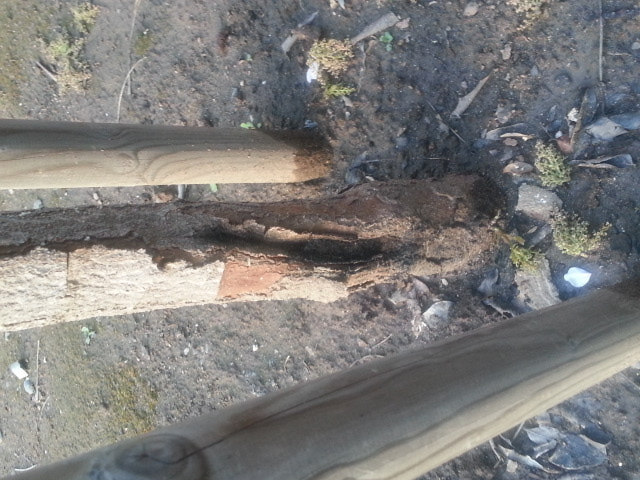
Chinese Pistache Trunk
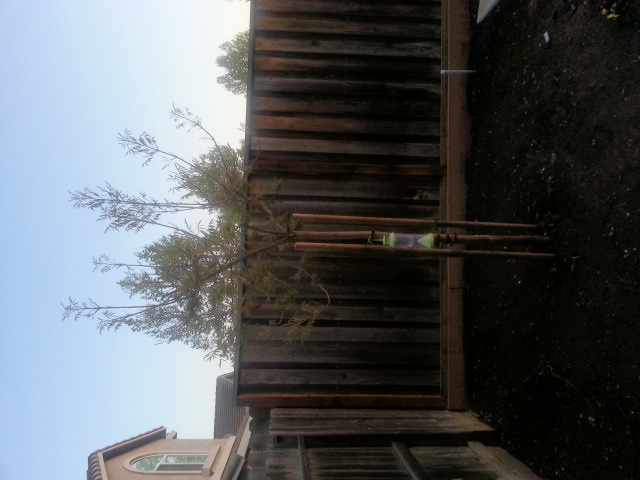
Chinese Pistache
The owner previously reported black discoloration at the base of a 'Keith Davey' Chinese pistache. New photos show a healed-over area near the soil line that looked worse last spring. The question: what caused it, and is any treatment needed?
The healing tissue visible in the photos indicates an old injury—most likely mechanical in origin (e.g., lawn equipment, animal damage, or a previous split) rather than a disease or insect. The tree has successfully compartmentalized the wound, sealing it off with new bark layers.
While the wound is closed, the underlying dead heartwood remains. This creates a structural weak point where the trunk may be more prone to breakage under heavy wind, snow, or ice loads. The tree’s overall vigor is good, so no immediate intervention is required, but the owner should monitor the area and avoid additional mechanical injury.
Chinese Pistache Leaf Scorch: Root Zone Stress Diagnosis
Chinese Pistache Drooping New Leaves: Transplant Shock and Girdling Root
Chinese Pistache Follow-Up: Pruning to Dormant Buds
Chinese Pistache Initial Pruning: Tip Pruning for Structure
Chinese Pistache Yellowing After Erratic Spring Weather
Pruning Low Limbs on Mature Chinese Pistache: Safe Techniques
Diagnosing a Declining Sunset Maple: Tar Spot, Drought, and Basal Wound
Chinese Pistache Dieback: Environmental Stress and Botryosphaeria Canker
Repairing a Broken Branch on Chinese Pistache Tree
Why Your Chinese Pistache Tree Isn't Growing: Expert Advice for North Texas Gardeners
Chinese Pistache Sapling Bark Injury: Natural Healing
Great Design Plant: Chinese Pistache for Spectacular Fall Color
Copyright © www.100flowers.win Botanic Garden All Rights Reserved