


A homeowner noticed deep holes and fissures in the bark of a single pin oak (Quercus palustris) among a group of 40 trees. The tree appears otherwise healthy and matches its siblings in size.
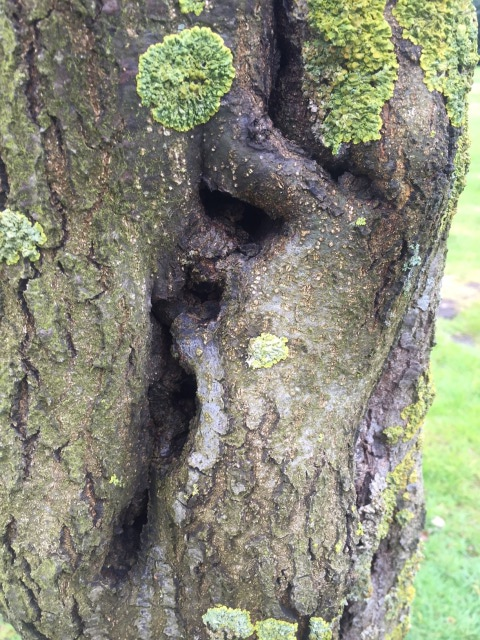
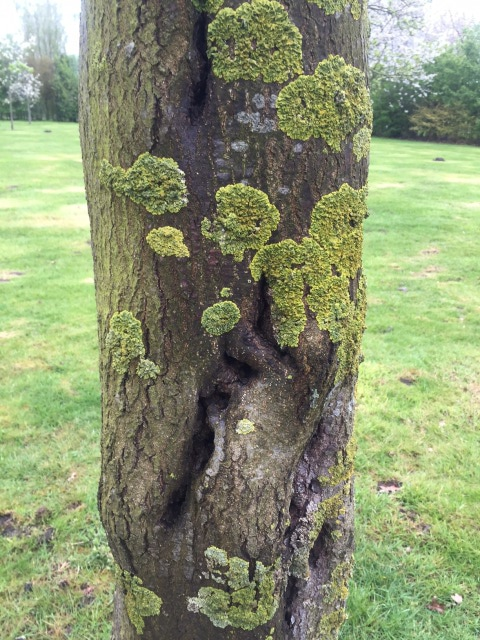
The wounds probably occurred when the tree was young—during transplanting, handling, or from equipment damage. Bark injuries create entry points for:
The greenish patches around the wounds are lichens—a symbiotic organism of fungus and algae. Lichens are not pathogens; they simply colonize slow-growing or exposed bark. Their presence indicates the bark has been damaged long enough for lichens to establish.
With good care, this pin oak can remain a landscape asset for decades despite the bark damage.
Black Spots on Sugar Maple Trunk: Borers or Bleeding Canker?
Crabapple Black Aphid Infestation: Atomic Grow Full-Tree Organic Cleanup
Cedar Spruce Sap Sucker Damage: Bird-Caused Holes Misidentified as Borers
Maple Leaf Galls: Insect-Caused Bumps on Autumn Blaze Maple
Oak Tree Black Spots on Trunk: Need Photos for Canker ID
Ash Tree Basal Decay: Irreversible Heartwood Rot on West Side
Locust Tree Bark Splitting and Dead Branches: Heat, Drought, and Proper Pruning
Assessing Elm Bark Flaking After Vine Removal
Hundreds of Black Beetles on Young Oak: Identification and Control Options
Yucca Leaf Spots: Cosmetic Fungus, Not Fatal
Willow Oak with Black Bark and Yellowing Leaves: Fertilization and Mold Check
Copyright © www.100flowers.win Botanic Garden All Rights Reserved