


When gutters aren’t an option—due to architectural constraints or HOA rules—roof runoff can carve trenches in planting beds, splash soil onto walls, and damage plants. The solution is a dedicated gravel splash zone that absorbs impact and lets water infiltrate.
Rounded river rock (1-inch diameter) is ideal: it’s too heavy for typical raindrops to displace, it doesn’t shift underfoot like pea gravel, and its smooth surfaces dissipate splash energy better than angular crushed stone. Choose a color that blends with your mulch—earth-toned river rock, lava rock, or even darker Mexican beach pebbles—to keep the look natural.
If the native soil is heavy clay or slow-draining, water will pond in the trench. In that case, install a perforated drain pipe wrapped in fabric at the bottom of the excavation, bedded in clean gravel, and daylight it to a lower area or dry well. This is especially important near basements or crawl spaces that experience dampness.
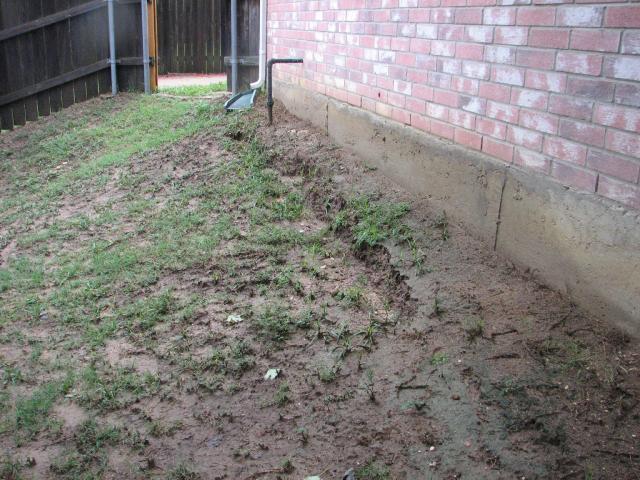
The result is a low-maintenance, attractive border that protects plants, keeps walls clean, and handles roof runoff without gutters. Inspect annually and top off rock as needed.
Troubleshooting a Well Pump That Runs But Delivers No Water
Troubleshooting Seedling Problems: Brown Leaves, Weak Blooms, and Green Mold
Complete Care Guide for a Lowes Drosera adelae: Acclimation, Soil, Water, and Light
Foul Odor from Rubber Plant: Causes and Cures
Preventing Orchid Wilting in Moss-Covered Centerpieces
Planting and Raising a Tree for Life
Alternative Water Sources for Your Garden: Potable Reuse and Boreholes
K-Rain Hydrotek 4000: All Zones Leak, Heads Don't Pop Up
Erosion Control Solutions for Culvert Pipe Installations
Yard Grading to Drain Away from House: Swale vs. French Drain
Protecting a Low-Lying Home from Neighbor Runoff: French Drain Barrier
Edging Solutions for Large Gravel/Lawn Boundaries
How to Grow Water Lotus from Seed: Scarification, Germination, and Care
Copyright © www.100flowers.win Botanic Garden All Rights Reserved