


A central New York homeowner has two weeds: a blue grass and a broadleaf weed, and wants to know how to eliminate them.
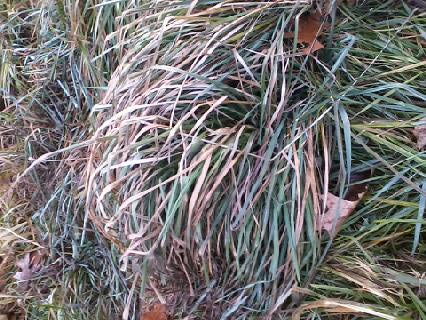
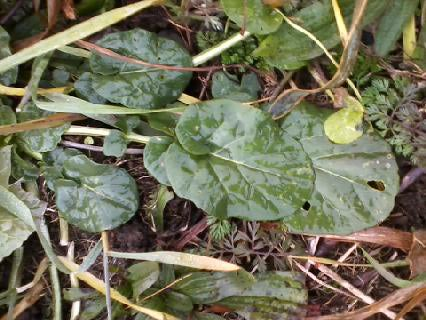
Expert Strategy: Identify your lawn grass type (e.g., Fescue, Kentucky Bluegrass) first – take a sample to a local nursery. Selective herbicides target either broadleaf weeds or grassy weeds. Since you have both, you may need two treatments or a product safe for your grass but effective on both weed types. Atrazine (properly applied) controls annual bluegrass and ryegrass in many lawn grasses. Consider soil mobility, temperature restrictions, and non-target plant safety. Read labels thoroughly and consult your nurseryman.
Why Weeds Invade Lawns and How to Prevent Them Naturally
Solarization for Nutsedge Control in St. Augustine/Bermuda Lawns
Organic Lawn Basics for Minnesota: Mowing, Weed Seeds, Corn Gluten, and Grass Selection
Weed Control and Overseeding Strategy for Large Southern Lawns
Leveling a Flood-Prone Yard with Dogs: Soil, Grass, and Organic Care
Organic Nutsedge Control in Arizona Lawns: Building Soil Health to Suppress Weeds
Eliminating Grass Stickers (Sandburs) in Texas Organically
Complete Lawn Renovation Guide: From Weedy 5.5 Acres to Lush Grass
Repairing Centipede Grass Killed by Wrong Herbicide
Controlling Weeds in a Newly Seeded Lawn Without Harming Grass
Managing Straw Mulch Weeds in a New Tall Fescue Lawn
Genetic and Soil Causes of Color Variation in Kentucky Bluegrass
Starting Grass Seed in a Former Flower Bed: Timing and Weed Control
Copyright © www.100flowers.win Botanic Garden All Rights Reserved