


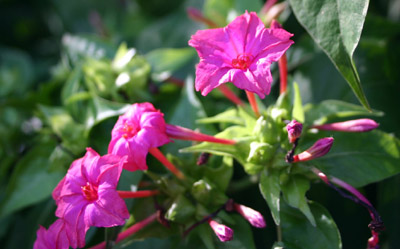
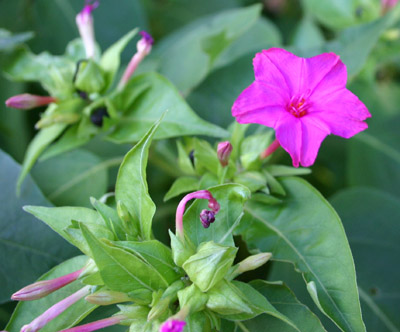
Four o'clocks (Mirabilis jalapa) have charmed Southern gardeners for over two centuries with their trumpet-shaped blooms in pink, yellow, and red that open in late afternoon. But their massive, tuberous roots and prolific self-seeding make them a nightmare once they escape a designated bed.
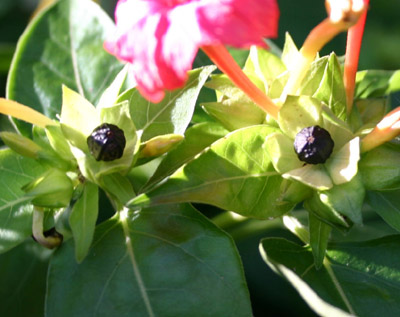
The plant forms large, sweet-potato-like tubers that store immense energy. Even if you snap off every stem, the tuber simply resprouts. Seeds scatter widely and germinate readily, creating new colonies. In most of Georgia, the roots are perennial, so the plant returns each spring with renewed vigor.
There is no easy spray-and-forget solution. The most reliable approach combines two tactics:
Persistence over several years is usually required for complete eradication.
Why Hydrogen Peroxide Isn't the Answer for Nectarine Gummosis
Organic Control of Squash Vine Borers in Zucchini
Yucca Plant Decline: Why Fertilizer Spikes Make It Worse
Managing an Overgrown Cucumber Vine in a Small Garden
ZZ Plant (Zamioculcas zamiifolia): The Nearly Indestructible Houseplant
ZZ Plant (Zamioculcas zamiifolia): Care Guide for Stylish Low-Maintenance Plant
Growing Aspidistra (Cast-Iron Plant): Shade Requirements and Transplanting Tips
Control Plant Diseases Before They Destroy Your Plants
Plant Rescue 101: Diagnose and Revive Stressed Plants Without Chemicals
Bed Bug Infestation: Why Professional Treatment Is Essential for Complete Eradication
Equisetum (Scouring Rush): Living Fossil for Contained Gardens
Kochia: An Ornamental Turned Invasive Weed
Copyright © www.100flowers.win Botanic Garden All Rights Reserved