


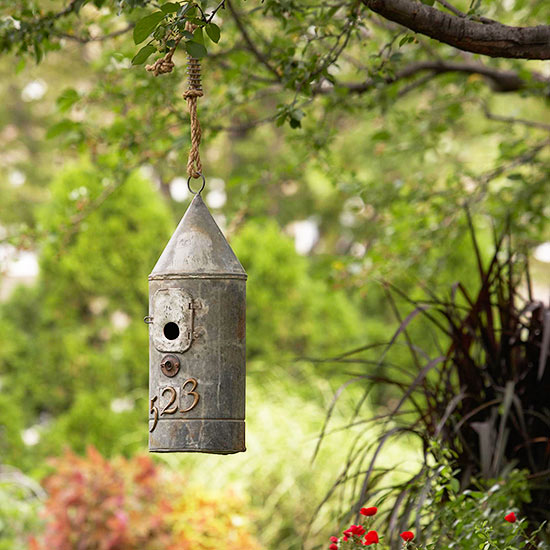
Birds benefit from supplemental food and fresh water, especially in fall and winter. While you can stop feeding in summer, a year-round supply encourages nesting and raises young in your yard.
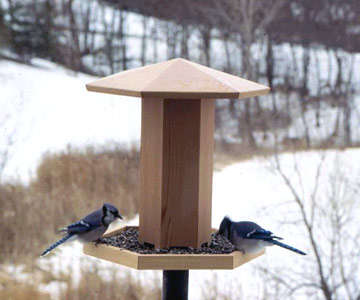
Attract specific birds with their preferred treats:
Pair feeding with native plants, water sources, and shelter to create a complete bird habitat.
Protecting Koi from Herons and Egrets
Bird Baths: Types, Placement & Care for a Backyard Bird Haven
Best Bird Deterrents: Top 5 Products to Protect Your Home & Garden
Bird Control for Growers: Humane, Effective Repellents That Work
Backyard Birding: Feed, Shelter & Water for Year-Round Birds
Where to Place Bird Feeders for Maximum Activity and Safety
Birdscaping: Design a Bird-Friendly Landscape
10 Humane Ways to Deter Birds from Your Garden
Humane Bird Control for Gardens: Effective Strategies That Work
Stop Birds Hitting Windows: The Simple Window Feeder Solution
Creating a Backyard Bird Sanctuary: Feed, Shelter, and Water Essentials
Copyright © www.100flowers.win Botanic Garden All Rights Reserved