


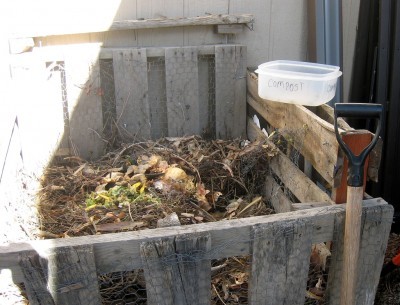
Composting adds nutrients and organic matter to gardens while reducing landfill waste. But beginners often wonder: what's a balanced "browns and greens" mix? What counts as brown or green material? Why does the ratio matter?
Brown materials are dry or woody plant matter—often brown in color. They add bulk, improve aeration, and provide carbon. Examples:
Green materials are wet or recently growing—often green but not always. They supply most nutrients and are high in nitrogen. Examples:
Proper balance ensures your pile works. Without it: pile won't heat up, decomposition slows, or odors develop.
Ideal ratio: ~4:1 browns (carbon) to greens (nitrogen). Adjust based on materials—some greens are higher in nitrogen, some browns higher in carbon.
If pile won't heat: add more greens. If pile smells: add more browns.
Soilless Mix for Tropical Fruit Trees in Containers
Mastering Compost: The Four Requirements for Perfect Decomposition
Using Eggshells in Garden & Compost: Calcium, Pest Control & Blossom End Rot Prevention
The Ultimate Beginner's Guide to Composting: From Basics to Advanced Techniques
Using Eggshells in the Garden: Soil Amendment, Compost Boost, and Pest Control
The Right Care and Preservation of Wooden Windows, Doors, and Decks
Choosing the Best Soil and Compost Supplier in Melbourne for Autumn Gardening
Choosing the Ideal Soil Mix for Thriving Indoor Basil
Stihl 028 Chainsaw: Legendary Reliability for Firewood and Property Work
Yard Gardening: Planning for Success in Open Ground
Ericaceous Compost: Make Acidic Compost for Rhododendrons, Blueberries & More
Ericaceous Compost: Creating Acidic Compost for Acid-Loving Plants
Copyright © www.100flowers.win Botanic Garden All Rights Reserved