


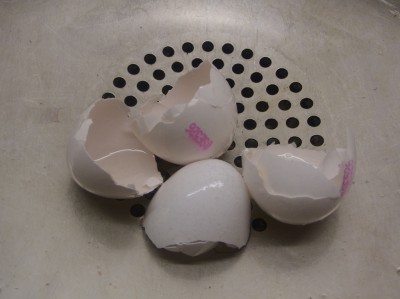
Eggshells are 95% calcium carbonate—the same compound as garden lime—and a free, kitchen-derived amendment that prevents blossom end rot, deters slugs, and enriches compost. But they break down slowly unless prepared correctly. Here's how to get the most from every shell.
Calcium builds cell walls. Deficiency causes:
Soil may have calcium, but plants need it in soluble form. Eggshells release it slowly as they dissolve in soil acids.
Crushed eggshells (not powder) create a razor-sharp barrier:
Eggshells are a slow-release calcium investment. Powder them for compost and planting holes; crush shards for pest rings. Consistent use builds resilient, productive soil—one breakfast at a time.
Organic Pest & Disease Control: Work With Nature for a Healthier Garden
Perennial Gardens and Soil Chemistry: The Key to Long-Lasting Blooms
Safe, Natural Pest Control for Your Garden: Methods That Protect Plants and People
Pest Control in McKinney, TX: Prevention-First Strategy
Simple, Effective Vegetable Garden Pest Control Techniques
11 Natural and Inexpensive Garden Pest Control Methods That Actually Work
Cornmeal Gluten: Natural Pre-Emergent Weed Control and Ant Bait
Composting Bug-Infested Dry Pasta
Nature's Pest Control: Harnessing Essential Oils for a Healthier Home and Garden
Choosing the Best Soil and Compost Supplier in Melbourne for Autumn Gardening
DIY Pest Control Fundamentals: Exclusion, Sanitation, and Targeted Product Selection
Residential Pest Control: Comprehensive Protection for Your Home and Family
Copyright © www.100flowers.win Botanic Garden All Rights Reserved