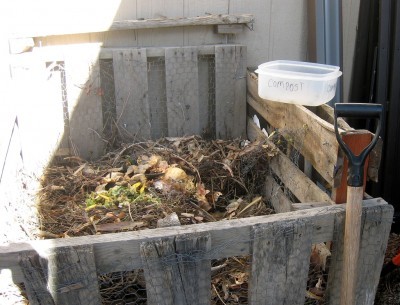
The secret to fast, odor-free, nutrient-rich compost isn't magic—it's the balance between carbon-rich "browns" and nitrogen-rich "greens." Get this ratio right, and your pile heats up, breaks down quickly, and smells earthy. Get it wrong, and you get a cold, slimy, smelly mess. Here's the practical guide to mastering the mix.
What Are Browns? (Carbon Sources)
Dry, woody, bulky materials that provide structure, aeration, and carbon energy for microbes. Typically brown/tan in color.
- Dry leaves (shredded best)
- Straw & hay (seed-free preferred)
- Wood chips, sawdust, shavings (untreated)
- Shredded newspaper, cardboard, paper
- Corn stalks, dried plant stems
- Pine needles (slow to break down)
- Dryer lint (natural fibers only)
Role: Absorb excess moisture, create air pockets, fuel microbial metabolism.
What Are Greens? (Nitrogen Sources)
Moist, fresh, often green-colored materials that provide protein/nitrogen for microbial growth and reproduction.
- Fruit & vegetable scraps
- Fresh grass clippings
- Coffee grounds & tea bags
- Manure (herbivore only: cow, horse, chicken, rabbit)
- Fresh weeds (no seeds/roots)
- Green plant trimmings
- Seaweed, algae
- Spent brewery grains
Role: Feed microbial population explosion, generate heat, accelerate decomposition.
The Golden Ratio: 4:1 Browns to Greens (by Volume)
Not 4:1 by weight—by volume (bucket loads, wheelbarrows, pitchforks). This roughly equals 25–30:1 carbon-to-nitrogen (C:N) ratio by weight, the microbial sweet spot.
Why Volume? Because You're Building a Pile, Not Weighing Chemicals
- 1 wheelbarrow grass clippings + 4 wheelbarrows shredded leaves = perfect start.
- 1 bucket food scraps + 4 buckets dry leaves = balanced daily addition.
Reading Your Pile: Adjust on the Fly
| Symptom | Diagnosis | Fix |
|---|
| Ammonia/urine smell | Too much green (excess N) | Add browns, turn thoroughly |
| Rotten egg/putrid smell | Anaerobic (too wet, compacted) | Turn, add coarse browns (wood chips), improve drainage |
| Won't heat up / slow | Too much brown (excess C) or too dry | Add greens, water, turn |
| Dry, crumbly, inactive | Too dry | Water each layer as you turn |
| Soggy, heavy, cold | Too wet, not enough air | Turn, add dry browns, cover in rain |
Practical Daily Routine
- Collect kitchen scraps in a countertop bin (greens).
- When adding to pile, cover immediately with 3–4x volume of browns from your stash (bagged leaves, straw bale, shredded paper bin).
- Turn weekly. Check moisture: squeeze a handful—1–2 drops = perfect.
- If in doubt, err toward more browns. Excess carbon just slows things; excess nitrogen creates odor and loses ammonia.
Advanced: Not All Browns/Greens Are Equal
- High nitrogen greens: Manure, blood meal, grass clippings, coffee grounds. Use less volume.
- Low nitrogen greens: Fruit/veg scraps, weeds. Standard ratio works.
- High carbon browns: Sawdust, wood chips, cardboard. Use more volume or pre-compost.
- Fast browns: Shredded leaves, straw, newspaper. Standard ratio works.
Quick-Start Cheat Sheet
For a new 3×3×3 ft pile: 12" browns → 3" greens → 1" soil → repeat to top. Water each layer. Turn in 3 days, then weekly.
Master the browns/greens balance, and composting becomes predictable, fast, and virtually odor-free. Your garden—and nose—will thank you.
Copyright © www.100flowers.win Botanic Garden All Rights Reserved


