


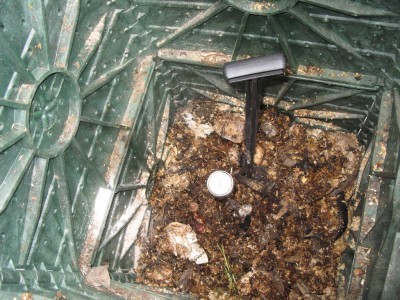
Compost—"black gold"—delivers incredible nutrients and microbes. Turning your pile maximizes output in minimal time through one key mechanism: aeration.
Decomposition requires aerobic microbes. No oxygen = dead microbes = stalled decomposition. Turning solves four common anaerobic triggers:
Tumblers: Commercial or DIY—rotate barrel regularly.
Open piles: Pitchfork/shovel—literally turn over like tossing salad.
Multi-bin systems: Move material between bins—ensures thorough mixing top to bottom.
General rule: tumblers every 3-4 days, piles every 3-7 days. Reduce frequency as compost matures.
Signs you need more turning: Slow decomposition, pest issues, bad smells. (Note: turning smelly piles may temporarily worsen odor—consider wind direction.)
Your compost pile is your garden's greatest asset. Turning ensures you get maximum value, fast.
Start a Backyard Compost Pile: Turn Waste into Garden Gold
Start Composting at Home: The Beginner's Guide to Heap Composting
Why Your Compost Smells Bad and How to Fix It Fast
Composting Sawdust: Safe Wood Types, Chemical Concerns & Carbon Management
Composting for Beginners: Simple Steps to Start a Compost Pile
Fixing Smelly Compost: Diagnosing and Resolving Odor Problems
Using Sawdust in Your Compost Pile: A Woodworker's Garden Gold
Composting 101: Turn Kitchen Scraps into Garden Gold
DIY Compost Bin: Build Your Own for Free Garden Gold
Build Your Own Compost Bin: DIY Designs, Materials, and Step-by-Step Construction
Composting 101: The Ideal Brown-to-Green Ratio for Perfect Compost
Composting Methods: From Tumblers to Municipal-Scale Systems
How to Make Compost: The Complete Guide to Black Gold for Your Garden
Home Composting Guide: Bin Selection, Layering, and Maintenance
Copyright © www.100flowers.win Botanic Garden All Rights Reserved