



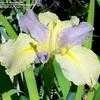
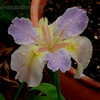
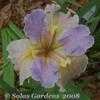
Hybridized by Arny and registered in 1979, Iris 'Easter Tide' is a Louisiana iris (hybrid complex based on I. fulva, I. giganticaerulea, I. brevicaulis, I. nelsonii, I. hexagona) whose name evokes the rising waters and renewal of spring—a perfect metaphor for a group that thrives in water.
Louisiana irises are a unique American hybrid race, combining five native southeastern U.S. species. They offer: an incredible color range (including true reds, coppers, yellows, blues, purples, browns), vigorous growth in wet conditions, evergreen foliage in mild climates, and late spring bloom (often after TBs). 'Easter Tide' (1979) comes from a golden age of Louisiana breeding.
Louisiana irises want: Water: Consistent moisture; thrive in bog gardens, pond margins, irrigated beds. Sun: Full sun (6+ hours) for best bloom. Soil: Rich, acidic to neutral, high organic matter. Planting: Rhizomes 2–3 inches deep (deeper than bearded). Hardiness: Zones 6–9 (mulch in 6). Fertilizer: Heavy feeders—regular fertilizer during growth. 'Easter Tide' likely displays the group's vigor and color range.
Reticulated Iris (Iris reticulata): An Early Spring Bulbous Beauty
Dwarf Crested Iris (Iris cristata): A Native Woodland Groundcover
Dutch Iris (Iris × hollandica): A Popular Cut Flower Bulb
Siberian Iris (Iris sibirica): Graceful Species for Moist Gardens
Copper Iris (Iris fulva): A Native American Species
Bamboo Iris (Iris confusa): An Evergreen Species for Shade
Tall Bearded Iris 'Easter Bonnet': Vintage Spring Hat from 1943
Intermediate Bearded Iris 'Az Ap': A 1979 Ensminger Introduction
Winter-Blooming Algerian Iris (Iris unguicularis): A Mediterranean Treasure
Sweet Iris, Dalmatian Iris (Iris pallida): The Orris Root Source
Reticulated Iris 'Harmony': Early Spring Jewel
Stinking Gladwyn (Iris foetidissima): A Species with Ornamental Seed Pods
Corn Leaf Iris (Iris bucharica): A Bulbous Species with Unique Foliage
Copyright © www.100flowers.win Botanic Garden All Rights Reserved