


Japanese flowering apricot, or ume, is a small deciduous tree revered in East Asian culture for its exquisite, fragrant blossoms that appear in late winter to early spring, often while snow still covers the ground. It symbolizes perseverance and hope, and its fruits are used for umeboshi (pickled plums) and plum wine.
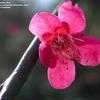

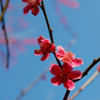
Flowers are single or double, white to deep pink, intensely fragrant (spicy, sweet), borne on bare branches in January–March (depending on climate). Fruit is a small, yellow-green apricot (1–2 inches), very sour, ripening in early summer. Many cultivars exist, varying in flower color, form, and bloom time.
Full sun, well-drained soil. Hardy in USDA zones 6–9 (some cultivars to zone 5). Requires winter chill for good bloom. Prune after flowering to shape and remove dead wood. Susceptible to borers, canker, and brown rot.
Specimen for winter interest, Asian-style gardens, bonsai, orchard (for fruit processing). Plant where fragrance can be enjoyed near paths or windows.
Japanese Maple 'Fireglow': Intense Red Upright for Small Gardens
Japanese Maple 'Atropurpureum': The Classic Red-Leaf Seedling Type
Japanese Maple 'Katsura': Spring Orange Splendor with Green Summer Foliage
Japanese Maple 'Kiyohime': Dwarf Spreading Habit for Bonsai and Containers
Japanese Maple 'Osakazuki': Famous for the Most Intense Crimson Fall Color
Japanese Maple 'Kinran': Golden-Veined Reticulated Foliage
Japanese Maple 'Japanese Sunrise': Coral Bark with Yellow-Green Summer Foliage
Japanese Maple 'Moonfire': Reliable Red Upright with Bronze Summer Tones
Japanese Maple 'Fjellheim': Dwarf Compact from Norway
Japanese Maple 'Kamagata': Dwarf Compact Introduced by Maplewood Nursery
Japanese Maple 'Hogyoku': Precious Jewel with Green Leaves, Orange Fall
Japanese Maple 'Ichigyoji': One Line of Characters with Green Foliage
Japanese Maple 'Ojishi': Large Lion with Crinkled Foliage
Japanese Maple 'Scolopendrifolium': Centipede Leaf with Narrow Lobes
Copyright © www.100flowers.win Botanic Garden All Rights Reserved